
The Oura Ring 5 is the best health gadget of 2026
Hands-on review of the Oura Ring 5 and how it compares to past versions.

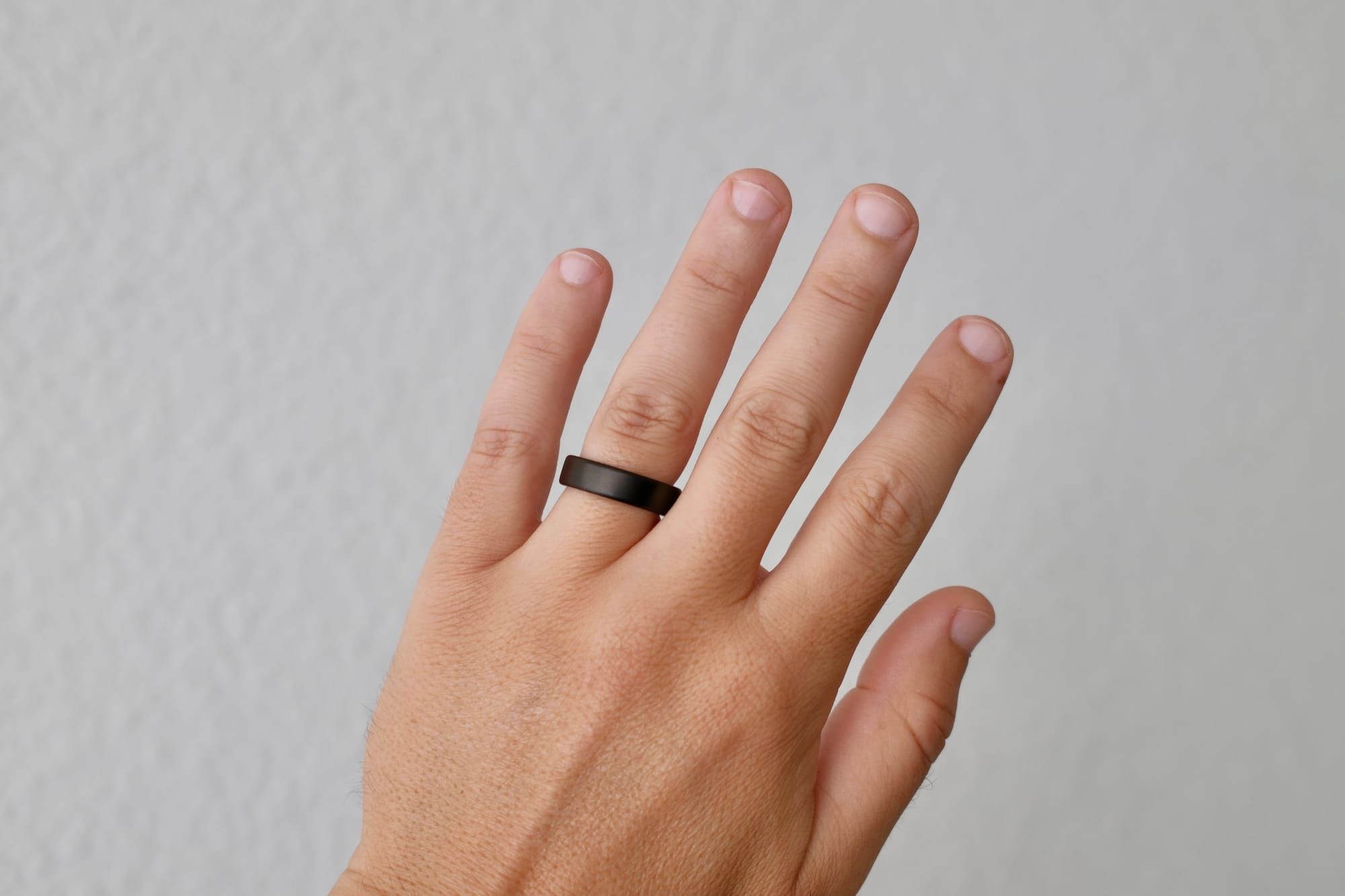
After spending several weeks testing the Oura Ring 5, I’m ready to declare it the best health gadget of 2026, hands down. In fact, it might be the best tech product altogether.
Such acclaim of the Oura Ring 5 isn’t solely based on my time with this new model. I’ve spent years with an Oura Ring, watching its software improve and it develop into a comprehensive health and fitness tracker. The Ring 5 is just a new extension of that with unbelievable hardware.
The thinner and lighter Ring 5 noticeably improves daily wear. Its battery life didn’t suffer with its reduced size. And the improved sensors provide a comprehensive health overview.
The Oura Ring 5 isn’t perfect in some specific areas, including its $400 starting price. But if you’re looking for a wearable health tracker, then this is the one to buy and invest in.
How the Ring 5 compares to past versions
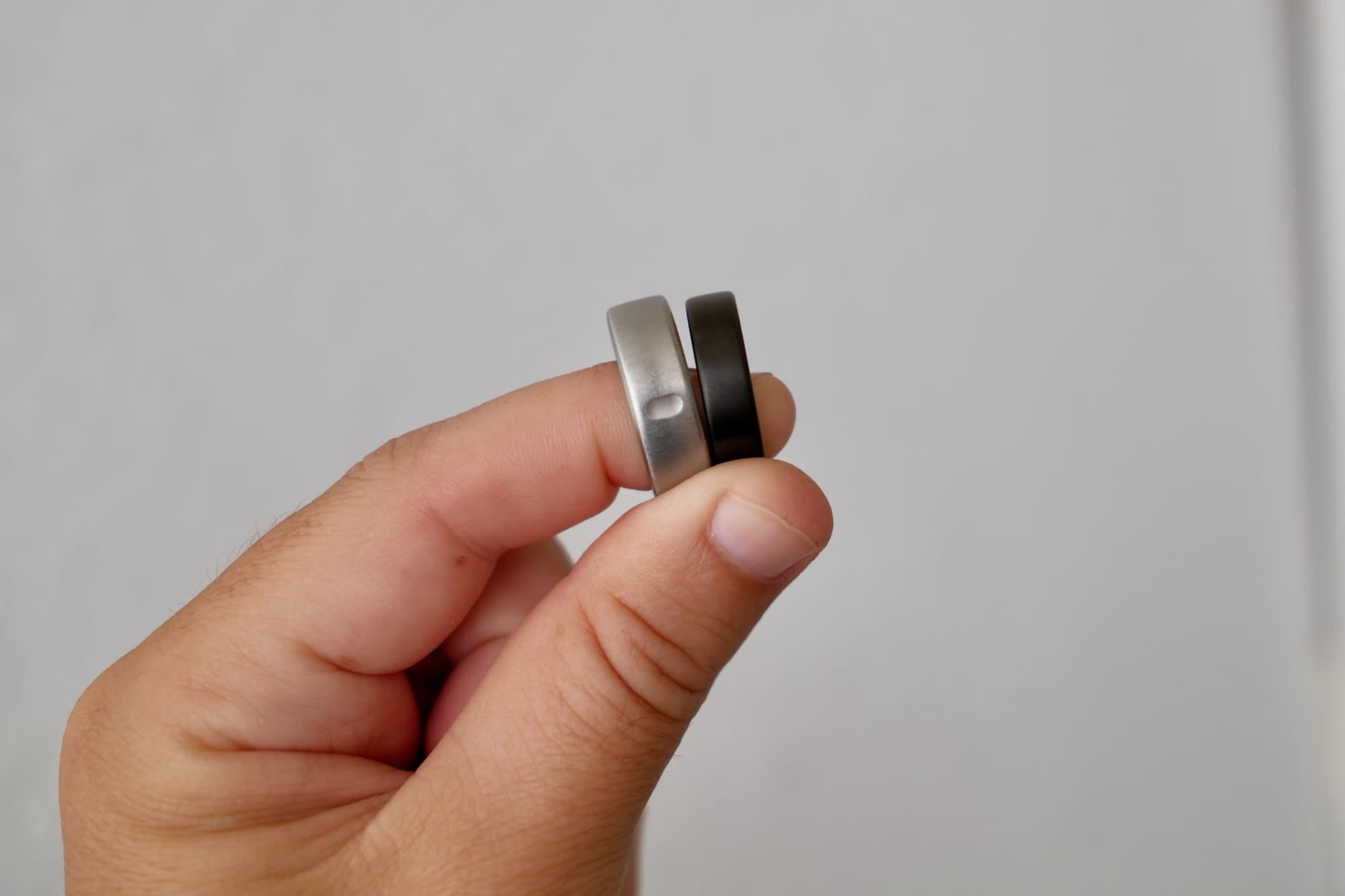
The Oura Ring 3 was a great sleep tracker because it was relatively unobtrusive. I still occasionally noticed it, though. Using the Ring 5, I never notice it once while sleeping. I barely notice it during the day either.
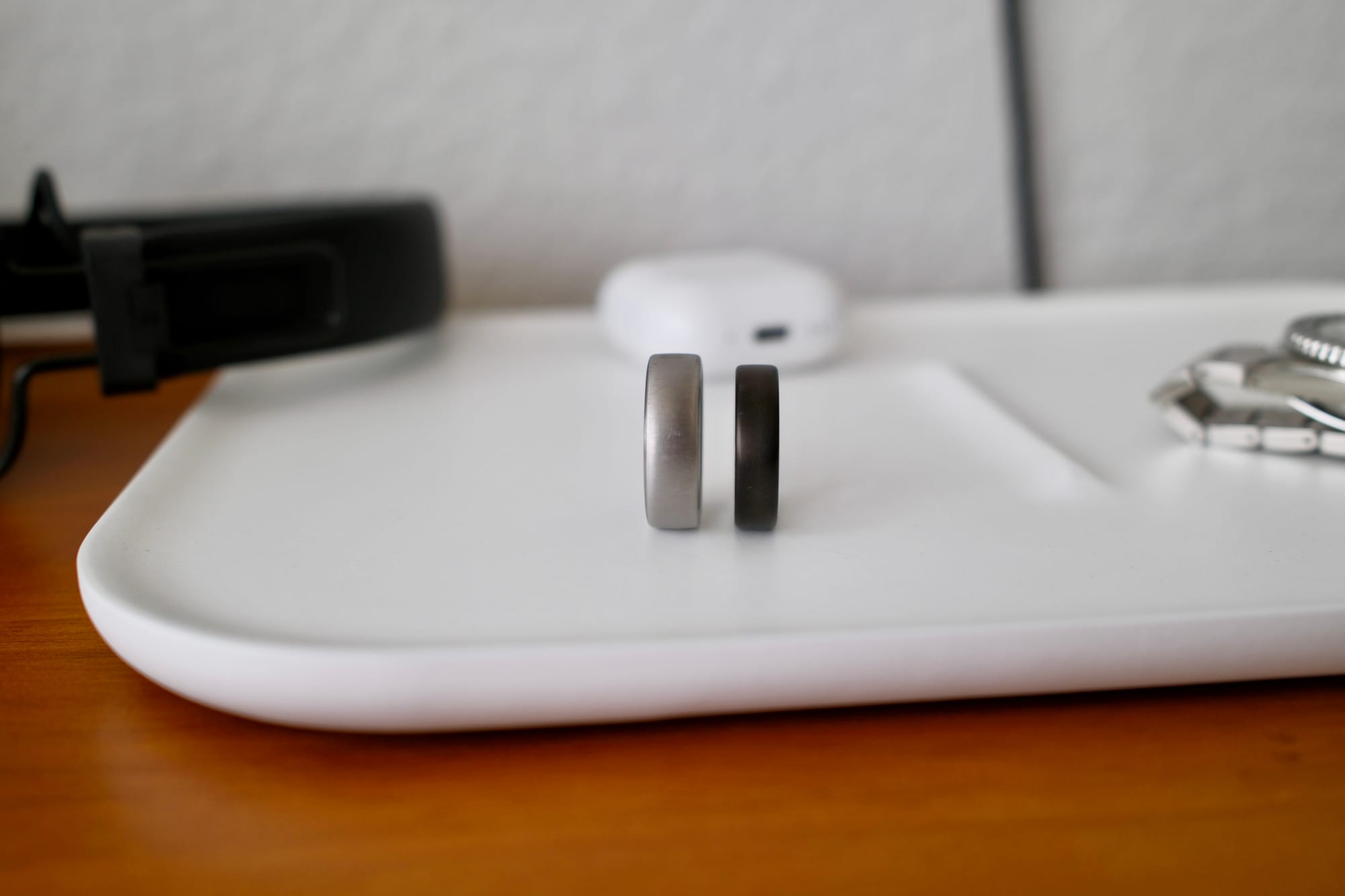
People will get sick of reading how slim and lightweight the Ring 5 is, but it really is a remarkable breakthrough. It’s the significant reason to consider this piece of tech. The Oura Ring 3 felt like a smart ring. The Oura Ring 5 just feels like a regular ring that happens to be smart.
The battery life remains similar, from six to nine days, depending on usage. So, beyond the physical dimensions of the new device, there are only a couple of changes. One is that the sensors have been upgraded to use stronger LEDs, which should result in better contact consistency—more accurate results.
Some users have reported gaps in data collection with loss of skin contact on previous models. I saw some of that with the Gen 3 ring. I’ve still seen a few instances where there’s an hour gap in sleep data or stress tracking. But in general, I have seen more consistent data tracking with the Gen 5 ring.
The Ring 5 does get new software features, but so do the Ring 4 and Ring 3, so those aren’t really reasons to upgrade.
The new software features of the Oura Ring 5
The most interesting new software features coming to Oura Ring wearers are passive blood pressure tracking, live activity tracking, and GLP-1 Support.
The ring tracks the amount your blood pressure dips overnight, with a range of 10 to 20% being ideal. It’s not a substitute for a blood pressure cuff, but I like the additional metric. Even if I’m still trying to wrap my head around how nighttime blood pressure tracking impacts me.
Now, with live activities, you can see real-time data on your phone when you initiate a workout. I don’t need this for my daily running, but for anyone looking to get more detailed workout data, this is a great update.
In my experience, the ring has done great at auto-detecting activities already. It can often distinguish differences between playing soccer or whiffle ball (baseball) in the backyard. I rarely have to change its activity suggestions.
Now the app offers support for GLP-1 for people on medication. Similarly, glucose monitoring is supported for Dexcom devices.
There’s at least one area Oura could still improve its rings in the future
I love how the Oura Ring 5 has evolved and improved since my Ring 3. However, it still has at least one annoyance. My biggest issue is the charger. It’s proprietary, for one thing. That can be forgiven because of the device’s size. But the charger is size-specific, so it’s not easy to share if you have a two-ring+ family.
With only one charger in the box, it gets to be a little bit of a pain to find the best place to keep the charger, at my desk or on my nightstand, and when to charge the device.
Traveling with the charger is also a pain. While I haven’t used the company’s travel charging case, I haven’t heard glowing reviews of it. It’s $100 and is also size-specific.
So far, my solution has been to charge the ring right before I travel and then go as long as I can until it dies. This works for a week-long trip, but isn’t great for anything longer. I’m hoping there are some more innovations around chargers and charging in the future.
Should you buy the Oura Ring 5?
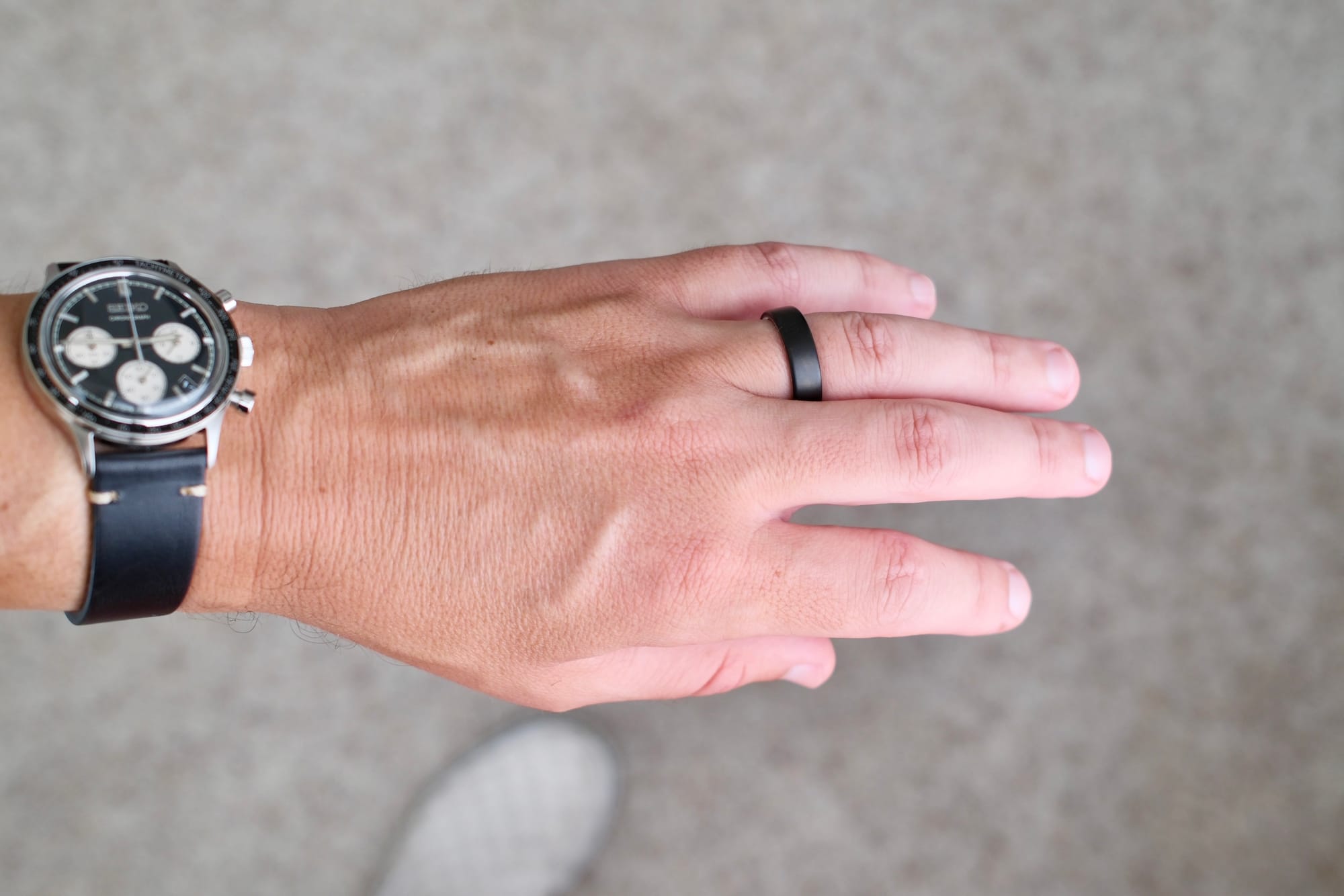
I’ve used a fair number of fitness trackers. Most recently, this includes the Apple Watch, Whoop Band, Google Fitbit Air, and Garmin Cirqa. Especially in this context of the screenless devices, the Oura Ring 5 stands out, above all those, for its stealthiness.
The Ring 5 is easy to wear. It’s the most inconspicuous of the bunch, but also the most comfortable. The bumps inside seem lessened. By far, my favorite aspect is how unobtrusive the ring is for sleep tracking. And it really needs sleep data to provide a complete health overview.
I've constantly been impressed with the Oura app and its data presentation. Garmin's app is ugly and hard to navigate, while Google Health is increasingly filled with AI text. The Oura app breaks your information into a few areas and then uses lots of visuals to make the data simple to parse. Once you're familiar with it, the app can be described as glanceable.
The initial cost of the ring at $399 is an investment. But the second part of that is the $5.99 per month subscription fee. Both can be tough to swallow, but as long as you use the insights the app offers, then the fee seems justified to me with the Advisor AI answers available.
If you wear an Oura Ring 3 or 4 and aren’t yearning for a new one, then I wouldn’t recommend upgrading yet. I would wait for a sale or for your current one to die. But once the time comes, you’re going to love the new one.
If you don't have any Oura Ring yet, then the 5 is a luxurious place to start.