
I don't need AI to create for me. Meta's Muse showed me what it's actually good for
Meta's Muse has changed how I think about AI by taking care of the administrative work that keeps me from doing what I actually enjoy.

Muse, Meta's AI agentic assistant, might be the best consumer software product that I've used in the last five years. I haven't partnered with Meta to write this. The company hasn't paid me in any way, either in real money or tokens. But after spending some real time with the Muse apps on desktop and mobile, it's easy to see how this type of software will create big waves.
Before you stop reading because you don't like AI, let me assure you that I don't care for it either. As a creative and long-time journalist, generative AI images and text are insulting. This technology was trained on our work to try and do our work. It now does so, but does it worse.
But as a technology journalist, I've also tried to keep an open mind about the big picture. When I was younger, going through school, I was told that I wouldn't always have access to a calculator with me at all times. That I needed to memorize certain basic math elements. Not only do I have a calculator with me at all times, but I also have a laptop-class computer in my pocket most of the day.
I'm trying to keep an open mind. I don't want to miss out on core, fundamental pieces of technology that will be part of our lives moving forward because I'm bitter about other parts of it. AI is not just one thing anymore.
What I've been using Muse for
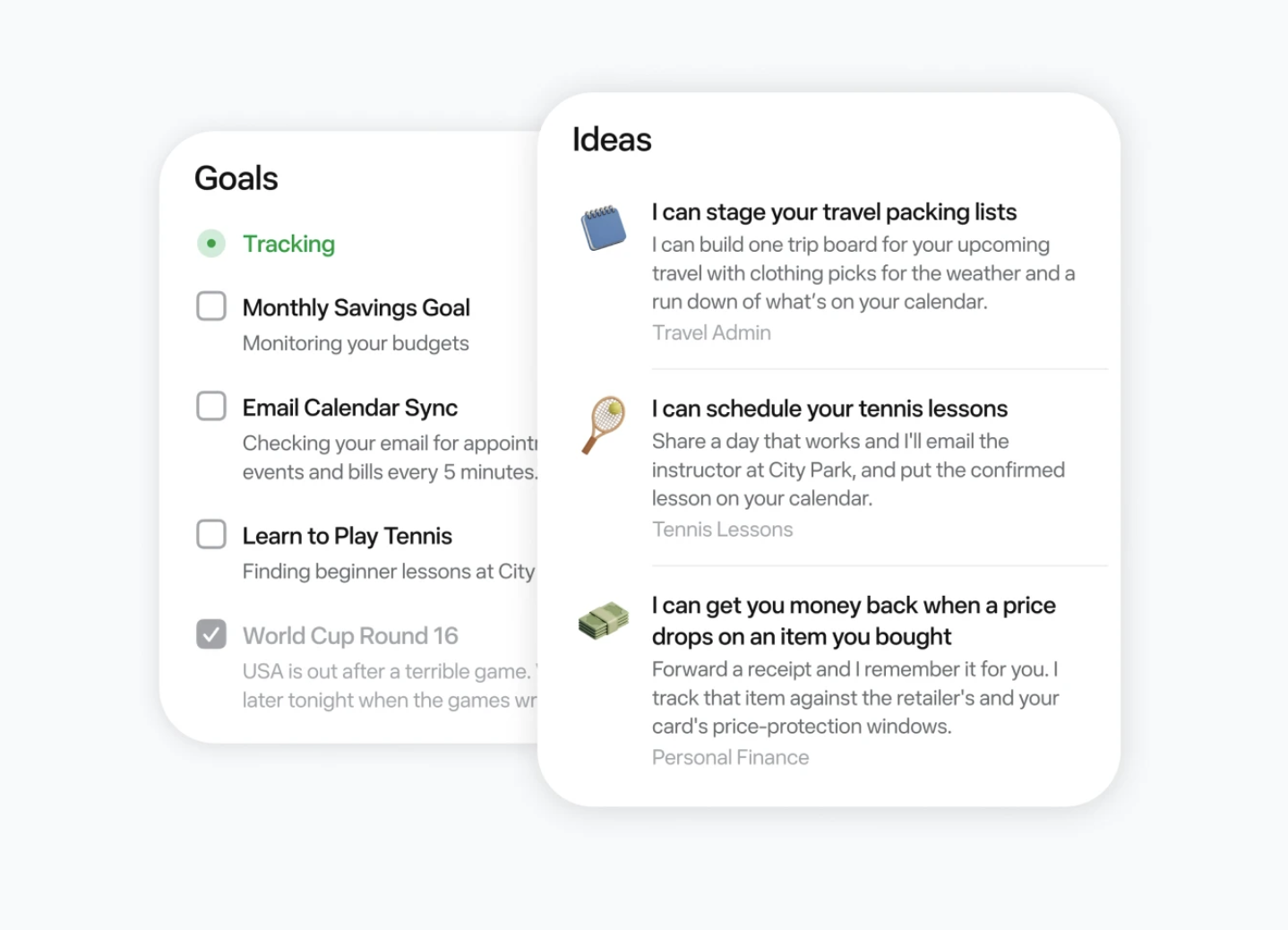
I see Muse less as a digital buddy or generative app. Instead, it’s more like a constantly running digital assistant. For those who don't know, Muse is an AI agent that's always running on its own dedicated computer hardware. You're just connecting to that computer remotely with the Muse apps.
I've been using it like a to-do list for my digital productivity. Except, unlike a traditional to-do list, I don't have to do those things.
For example, I have it create an ongoing, running table of products I need to review with their embargo dates, shipping times, prices, and links. It keeps updating it automatically. I even had Muse add a cell about potential popularity with info it's gathered from Instagram and other websites. That gives me an indicator of how quickly I should get to a product in my list.
I open the Muse app when I think of additional things it can do for me. Tell it what to do. Then I close the app, flick it away, and get back to doing something else. If it needs my input or wants to let me know something's ready, then it sends me a notification.
I have it collect sales and deal info that’s emailed to me. It then checks an item's price history to see how good the deal is. Later on in the day, it highlights the best ones. I'm able to scan the list and see if there are any worth sharing or covering.
These are all things I need to do, but I would rather be spending my time going hands-on with new speakers, smart glasses, headphones, wearables, and other gadgets. This digital administrative work is what bogs me down as an independent creator.
If I have to use large chunks of time to make tables and lists to stay organized, then I can't write, film, or create content for all the platforms demanding more content.
I'm betting that human-created content is still valuable, so that's where I'm trying to spend my time. I don't let AI write my scripts or edit my videos, even though it really wants to. Instead, I've relegated it to the administrative side of my work. I'm treating it like a really fancy calculator.
Muse can do a lot more than what I've asked of it, but you also need to connect more apps and provide more personal info. Be sure to use caution when linking your services to any AI agent.
Apple and Google are missing out on the agent race for consumers
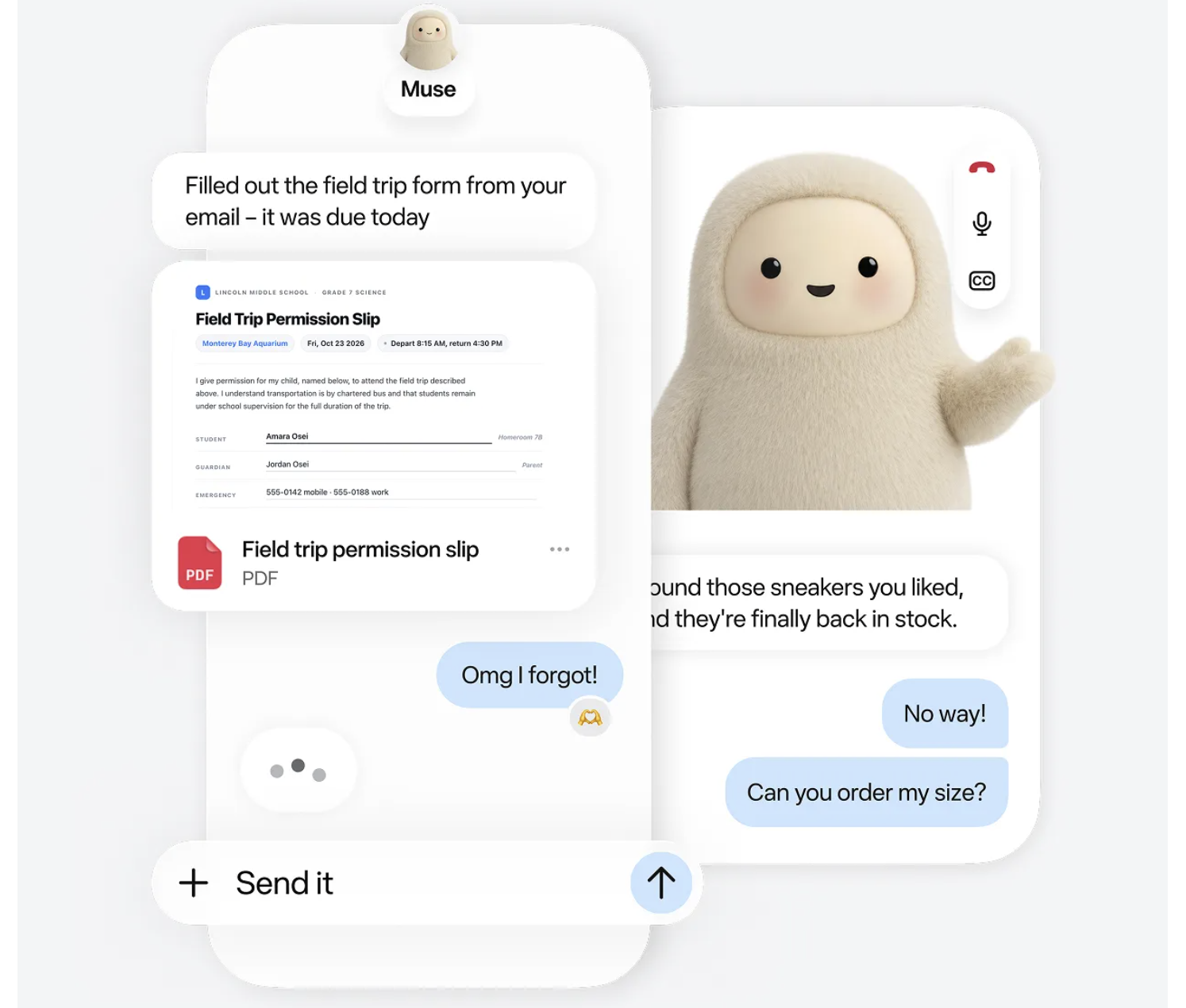
So far, the area I harvest most of my productivity from using Muse is Gmail. I get 50+ emails a day with press releases, product news, deals, and other offers. Having those items sorted, grouped, and prioritized with reminders for key times in the day has been eye-opening.
This is where Google missed big time. Why is Meta’s Muse being used to go through Google’s Gmail? Google should have had a consumer product like this available months ago, in mid-2026. Even if I could only tell a Google agent to do things for me in the background using Gmail, Docs, and Sheets, it still would have been a hit.
For Apple, the opportunity is your iPhone. It has all the personal context information to let Siri keep doing serious work for you after you've put your phone down.
I want to ask Siri to go off and do for me like, grab all my Uber receipts for 2026, add them to a tax folder in Files, and then add up the total amount. It just hangs and looks at me funny when I try things like that.
To be fair, Siri AI is better than the old Siri. It can read your screen and understand who your partner is, without you explicitly telling it. My favorite trick is asking Siri AI to copy the link in the description of an Instagram post and put it in a Notes document, or add it to a reminder.
But this advanced Siri AI functionality has only made me wish that I could have it keep digging through my email and be proactive with things that it can't.
I've tried other AI task apps, like Town. Seeing how it worked finally pushed me to try Muse. But now that I have, Google and Apple really need to catch up quickly if they want to offer customers something similar.
For now, OpenAI Dots, Meta Muse, and Claude Duet might be the ones to capture the public's attention first.