
What is Workout Buddy on Apple Watch, and should you be using it?
Hands-on with Apple’s AI-fitness tool, Workout Buddy.

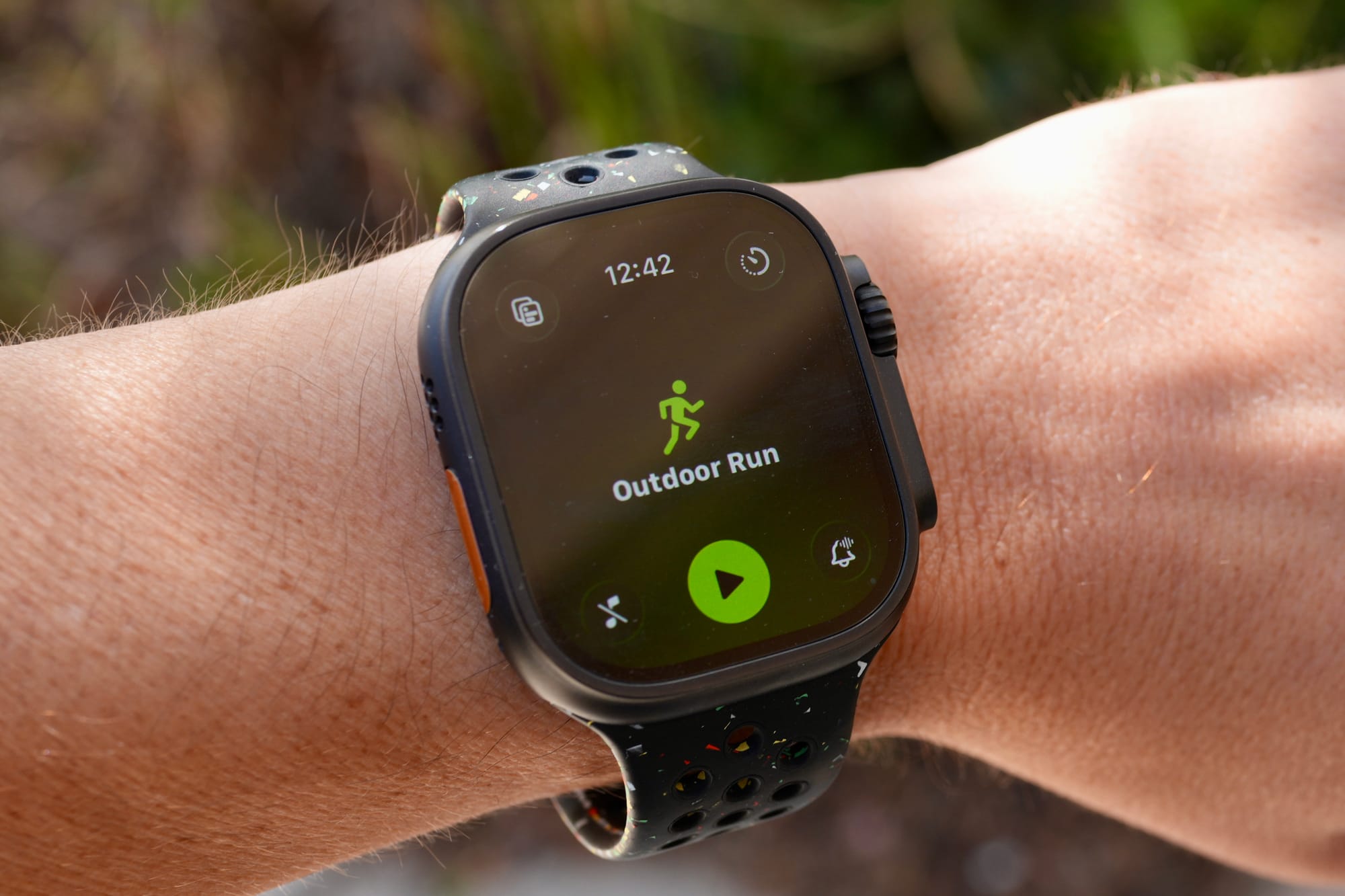
The first time I heard Apple’s Workout Buddy start talking in my ear, it surprised me. I was walking along the beach using a pair of Meta Ray-Ban glasses to listen to music, and it started telling me about how much exercise I had done and how much I still needed to do. I thought it was Meta’s AI assistant at first.
Now, after spending some more time with Apple’s fitness AI feature, I have some thoughts about how it works, where it could improve, and whether it's worth most people using.
Workout Buddy is there to raise awareness of your fitness stats
Workout Buddy is a computer-generated voice that will speak your fitness stats to you during workouts. The point of the feature is to encourage people during their workouts, using real-time analysis of fitness history, as well as data from the current workout. It will also announce milestones, like for time or distances.
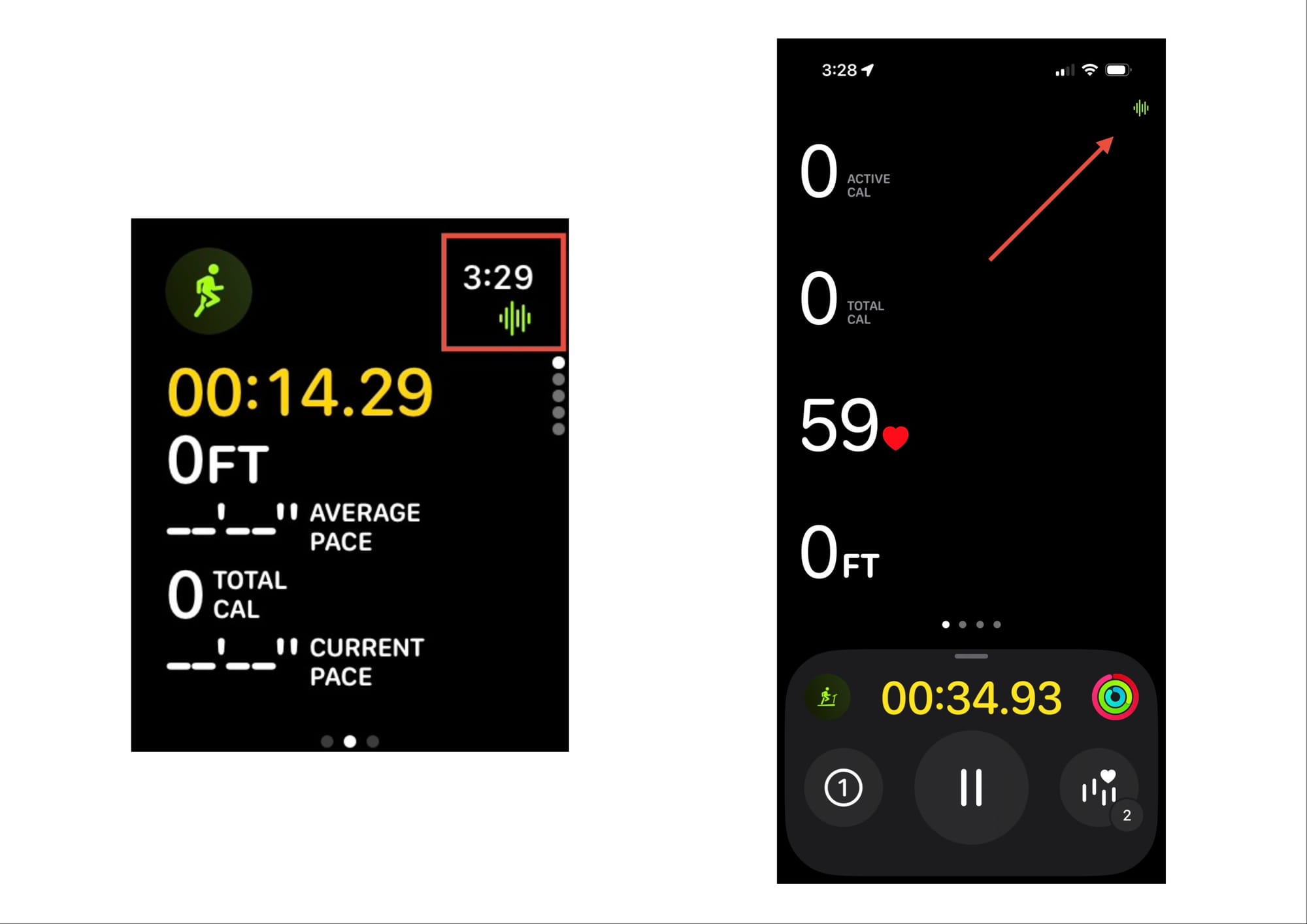
Apple first announced Workout Buddy at an event in June 2025. It works for indoor and outside runs, walks, and cycling, as well as hiking, ellipticals, and a few more exercise types. You'll know it's available because of the green audio lines in the top right corner of either the phone or the watch's workout screen.
You’ll need to have an Apple Watch Series 6 or newer, or SE 2 or 3. You’ll also need to use Bluetooth headphones. The big caveat is that one of those Apple Watches will need to be paired to an Apple Intelligence-capable iPhone.
To get the full impact of Workout Buddy, you’ll need to work out with your iPhone in range. So, for outdoor activities, that means carrying it with you.
Where Workout Buddy could use some exercise of its own
The biggest pain point of Workout Buddy on Apple Watch is that it needs to be connected to an Apple Intelligence-equipped iPhone. That means an iPhone 15 Pro or newer. It's not just having a newer phone, but I don't want to carry it with me while running. I’d love to see that requirement disappear.
Even when I haven’t been taking my phone with me to test the feature, I have gotten a taste of it when returning home. Once my Apple Watch reconnects to the phone, if I’m still wearing earbuds, it will start reading out my results.
Another problem, however, is that it’s an advanced feature with basic information. Anyone who runs more than twice a week knows exactly how far they’ve run, what their trends are, and how they’re planning to run in the future. It’s just the nature of the sport. Even for people not obsessed with it, they tend to keep an eye on the basic stats.
Anyone putting in the effort to run regularly also knows this is the third time they’ve gone out this week. They don’t need a robot telling them that. I would love to see some more unique insights. Tell me that most songs I listen to while running have a BPM (beats per minute) of 135, just like the one I’m listening to now. Uncover some really interesting data that I’m not likely to see on the front page of the Activity app. That would make the feature a must-use one for me.
I’ve also seen times when the illusion of Workout Buddy is broken. For example, on a recent run, I needed to end my workout before I got home. After a brief break, I started a new run and finished my route.
When I got home, Workout Buddy started telling me my stats. It said that I needed 20 more minutes to close my exercise ring. But in actuality, my ring had already been closed. It was only reading from the latest summary that said I had run for 8 minutes, or so, instead of looking at my total exercise minutes for the day.
Should you use Workout Buddy?
Ultimately, if you have a newer Apple Watch and an iPhone with Apple Intelligence, I don’t see a reason to turn it off. It’s a free feature that gets implemented automatically. Occasionally, I find it interesting even if I end up ignoring it a lot of the time.
Moreso, Workout Buddy is an interesting idea that has yet to be fully realised yet. I hope that now that it’s in place that it can expand quickly and become more tailored to advanced runners who already know their basic data. If it starts to provide some real insights, or I could talk to it and ask it questions during my run, those could be a real game-changer.