
I tested the headphones everyone keeps seeing on Instagram. Here’s my verdict
Not every viral gadget lives up to the hype. The Daisy One headphones mostly do.

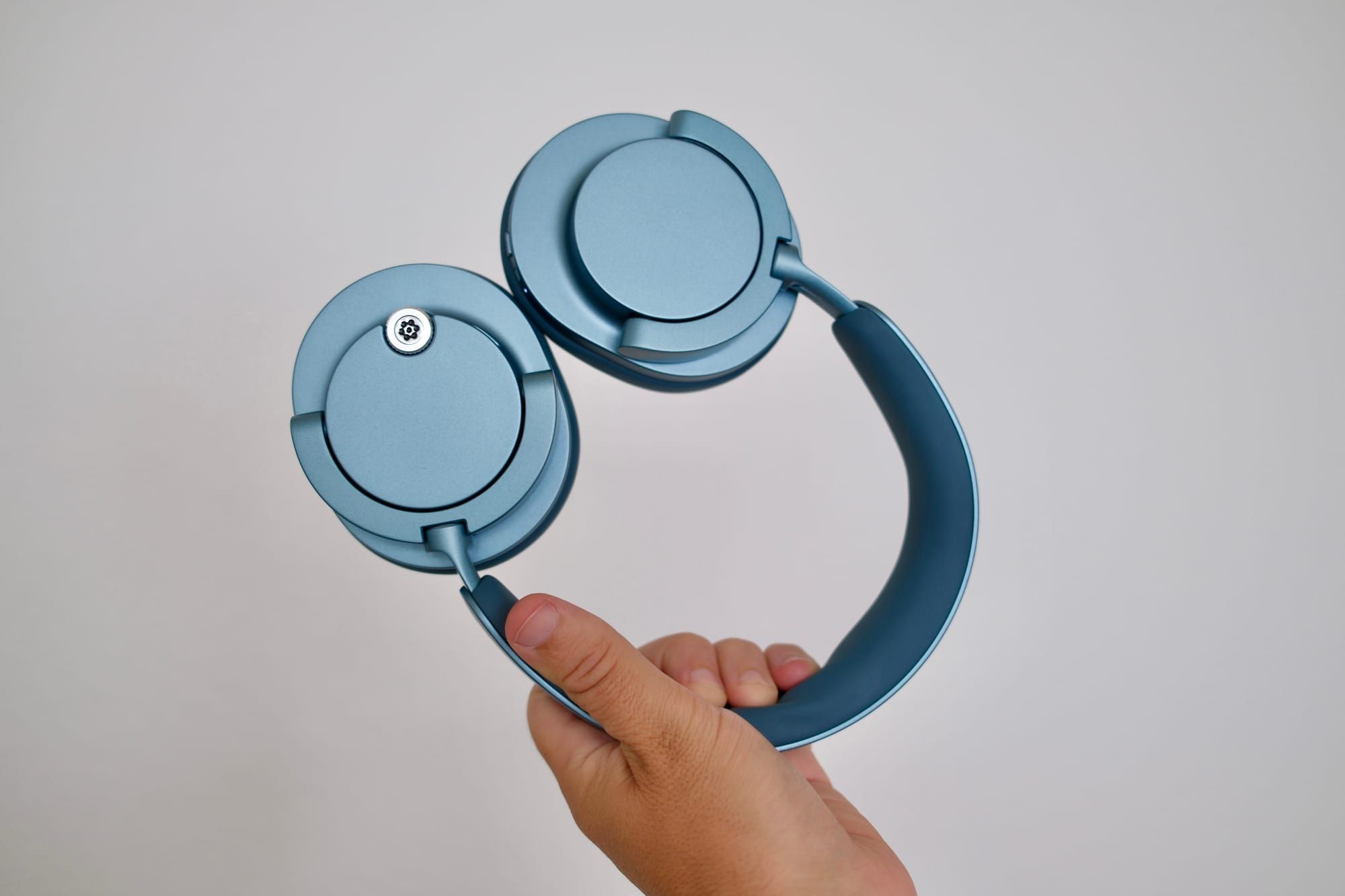
If your Instagram algorithm is anything like mine, then you probably see the Daisy One headphones all the time, shown in ads and creators’ posts. The Daisy One stand out for a few reasons. Primarily because of their metal construction and distinct spinning volume knob. They look premium in almost every way.
So, if you’ve been tempted to buy these, but have been scared off by their $399 price, then I can help. I’ve been reviewing audio gear for over a decade for publications like Newsweek, Business Insider, and This Week The Trend. I’ve covered budget models and ones over $2,000.
The Daisy One Headphones have some interesting features, including an offline relaxation mode. But after going hands-on with them, here’s the truth about these fashionable, Instagram-famous wireless headphones.
There’s hype around the Daisy One headphones for a reason
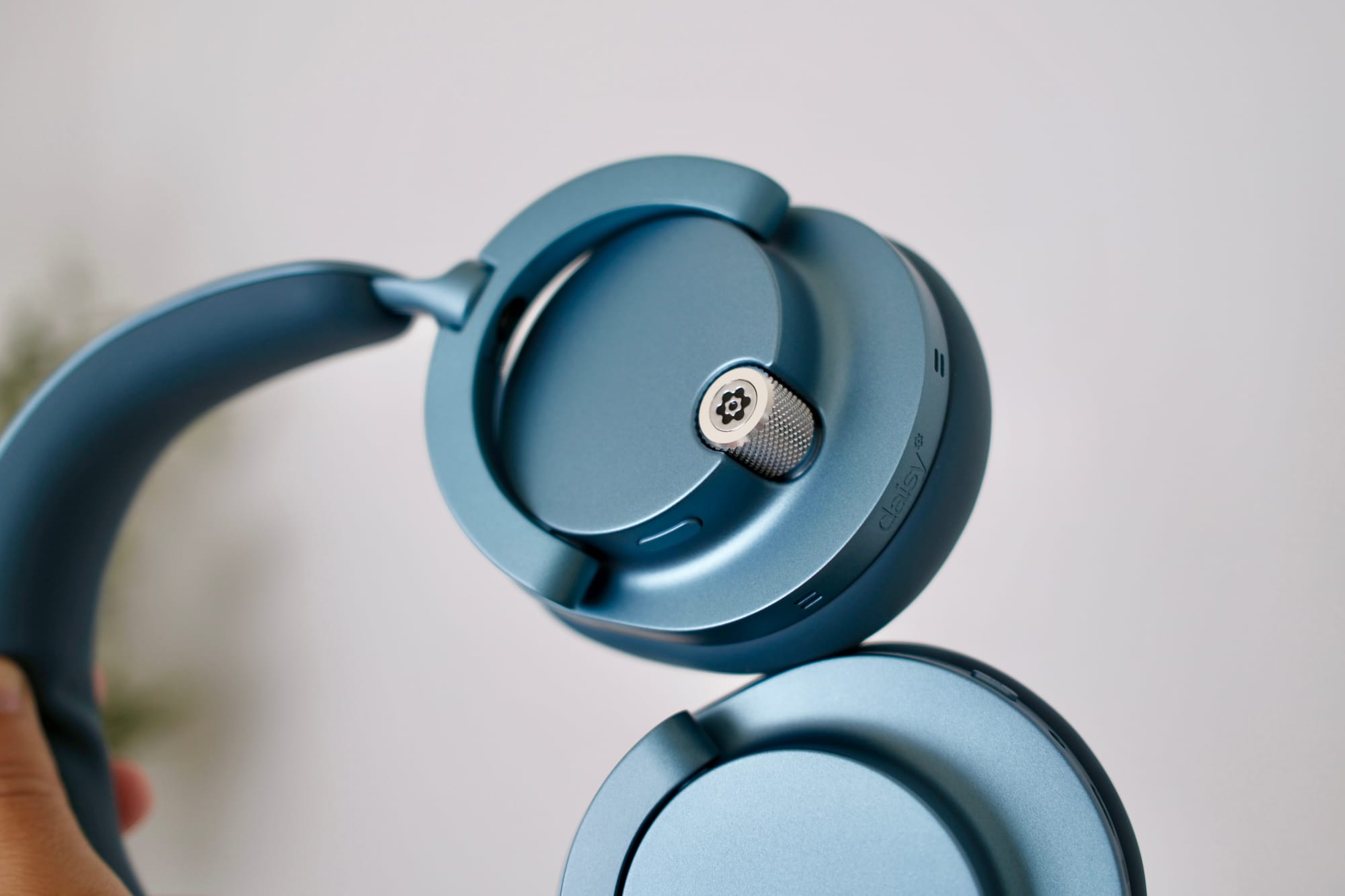
To say I was skeptical of the Daisy One headphones would be an understatement. Besides the premium price, the whole package looked a little too good to be true from a startup.
The good news is the Daisy One headphones (mostly) live up to their hype. They’re comfortable, sound good, and block noise well. The carrying case is cool. The blue color is unique. Plus, the charging and 3.5mm cables are the slinkiest, smoothest accessories I’ve ever felt.
If there's hype around these wireless headphones, then they mostly live up to the expectations.
Comfort is no joke
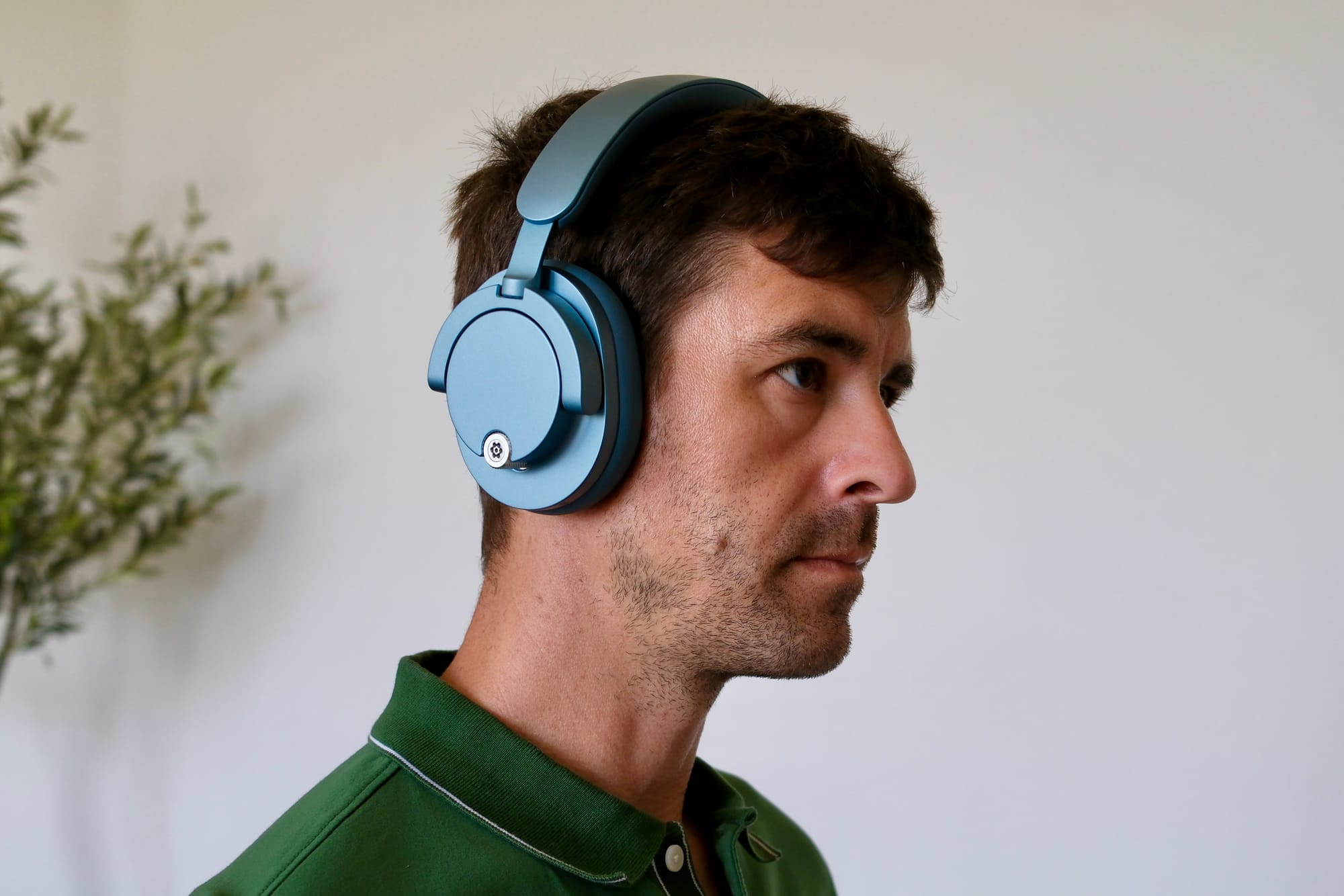
I test dozens of wireless headphones each year. Surprisingly, comfort is still hit or miss for a lot of the products. I was worried that the metal frame of the Daisy One would make these too heavy or that aesthetics would be prioritized over wearability.
The moment I put these headphones on, however, my worries were quelled. The squishy memory foam on the headband and ear cups is supportive enough to alleviate stress on the head.
Importantly, these headphones don’t feel heavy. The aluminum frame weighs 318 grams, which is more than Sony’s or Bose’s top-end premium models, but less than Apple’s AirPods Max 2. In fact, the Daisy One are deceptively light.
My primary concern with this product is the build quality. The left ear cup on my review unit kept sliding down a few centimeters when moving them around. The right one stayed in place, with the length I set, but the left one would move more freely without completely locking in place. Just picking them up from a table would cause the left side to slide and become longer.
For what it’s worth, I did email the support address on Daisy’s website about the issue, and someone responded within six minutes. This was without any special treatment either. Just a fast reply asking for any more details and a short video showing what was happening.
Later on, I did test a second pair of headphones that didn't have the same problem.
I can’t speak to Daisy’s full customer support experience for everyone, but the fast reply was a good start. The company also says it accepts returns within 30 days.
The sound of Daisy One headphones
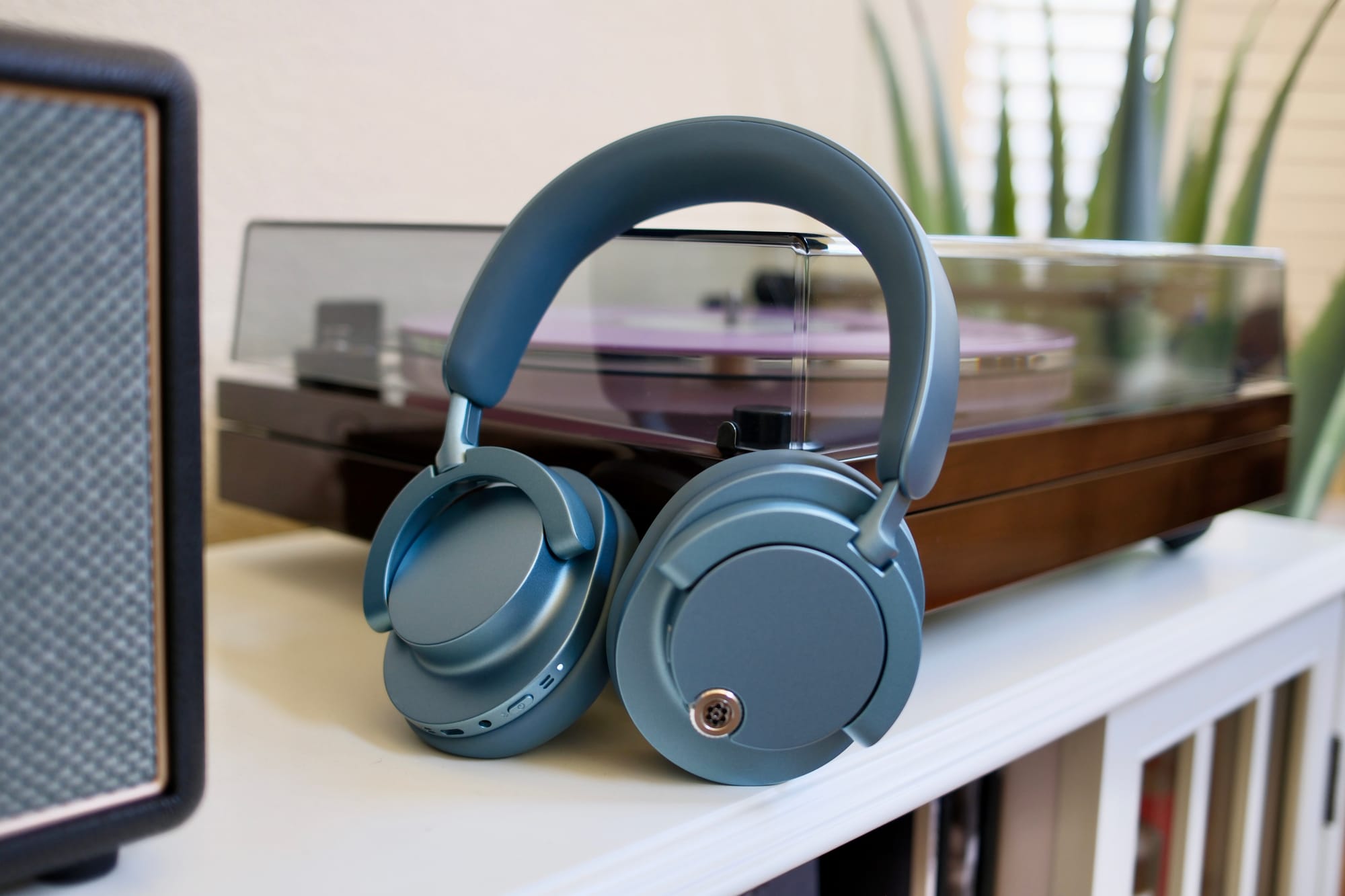
The Daisy One headphones use 35mm dynamic drivers. Music sounds big, vibrant, and encompassing. The dynamic bass setting in the mobile app, combined with the default Daisy Sound EQ, gives these headphones a very lively sound.
Music snobs might turn up their noses at the extra thump and highs, but I think that most people will put these headphones on and be exceedingly pleased with how songs sound.
If you count yourself as a music snob, then the Daisy app has a “studio neutral” preset, along with a custom five-band EQ option. To my ears, these two presets in the mobile app are the perfect two extremes. The neutral setting might also be a splash of water for some people. Most people don't actually want to listen to everything completely zeroed out.
The silvery, metal volume knob is one of the company’s most distinctive marketing images, but in practice, it’s just fine. It’s a perfectly adequate media control, much like the digital crown on the AirPods Max. But it’s not particularly better than the rocker and roller controls on the Nothing Headphone (1).
ANC is suitable for everyday use
Comparatively speaking, the Daisy One headphones didn’t block or silence as much airplane noise as other headphones from Bose and Sony. I simulated an airplane cabin at 75 to 80 decibels and then went back and forth between several of the high-end premium pairs.
Bose’s QuietComfort Ultra Headphones and Sony’s 1000X The Collexion both outperformed the Daisy One.
That’s not to say these headphones don’t have good ANC performance. They were able to help quiet kids watching TV and a blowing AC unit enough for me to sit and focus. These just don't outclass everything else, in my experience.
The transparency mode isn’t overly compressed or digital-sounding. If you need to keep your ears open to others around you, then these can do that without getting weird.
Still Mode might be a gimmick
Can a feature be a gimmick, while still generally liking it? These headphones offer a Still Mode. So, even without internet connectivity or using a device, you can listen to nature sounds. The audio is integrated and stored on the headphones.
The audio sounds crisp with good fidelity. There are five sounds in total: rain, ocean, forest, brown noise, and guided breath work.
The gimmicky part is that I never found myself using the feature organically. I used it several times to test, but it never stuck as something I came back to. If you constantly use nature sounds in work settings, then this might be a perfect feature for you. For me, it wasn’t.
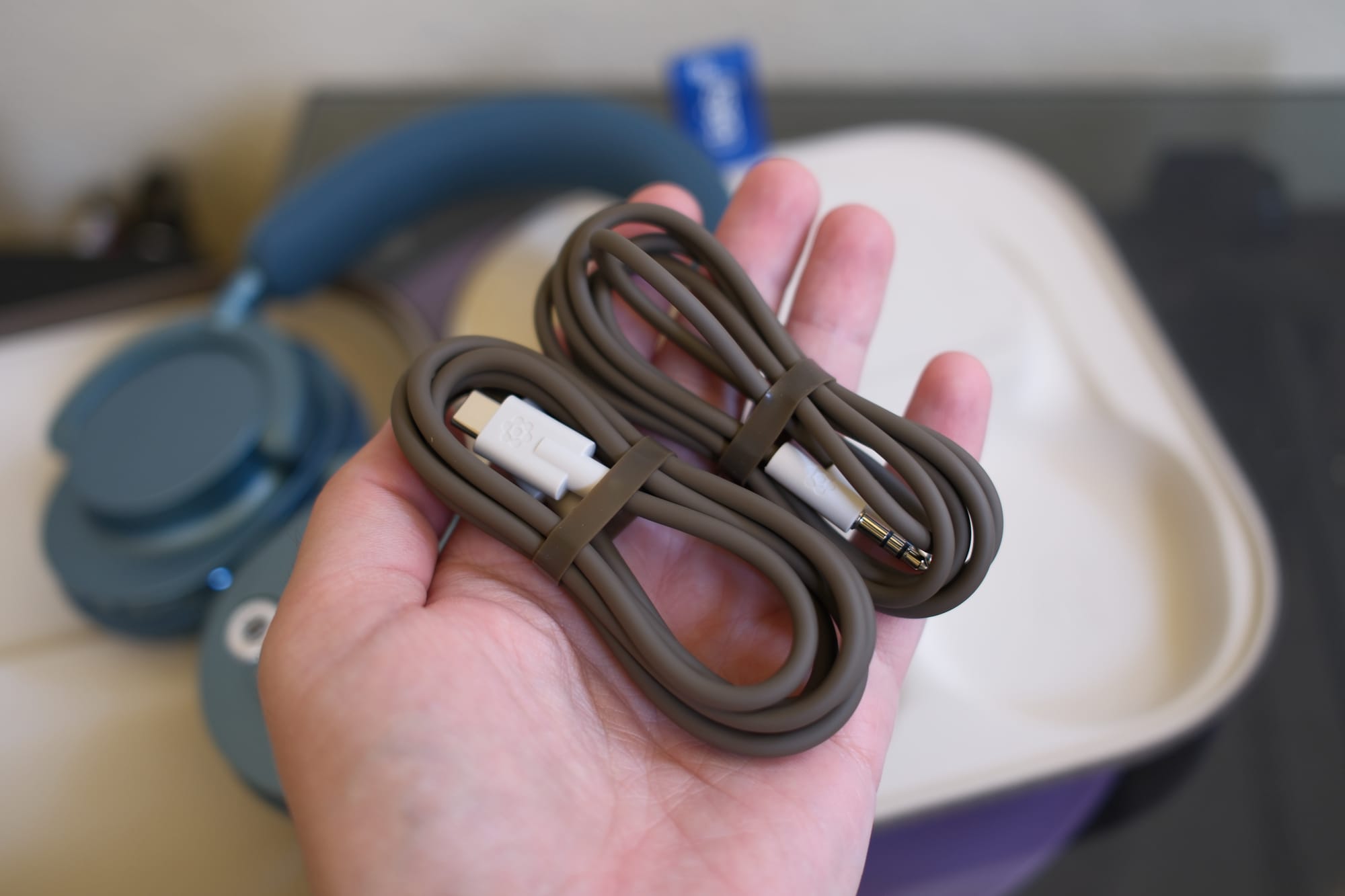
What isn’t a gimmick are the two included cables. The 3.5mm audio cable and USB-C charging cable are made out of the best-feeling rubber material I’ve ever felt. They’re smooth and silky feeling. The company didn’t have to go so hard on these accessories, but they’re nice.
A few miscellaneous notes:
- The 35 hours of battery life with ANC on is average, so it isn’t worth dwelling on, but it’s fine.
- Similarly, the call quality from the microphones is passable. It’s nothing to write home about one way or another.
- I like that the carrying case uses a magnetic attachment, but it’s not unique. It looks like Sony’s case.
Are the Daisy One Headphones worth buying?
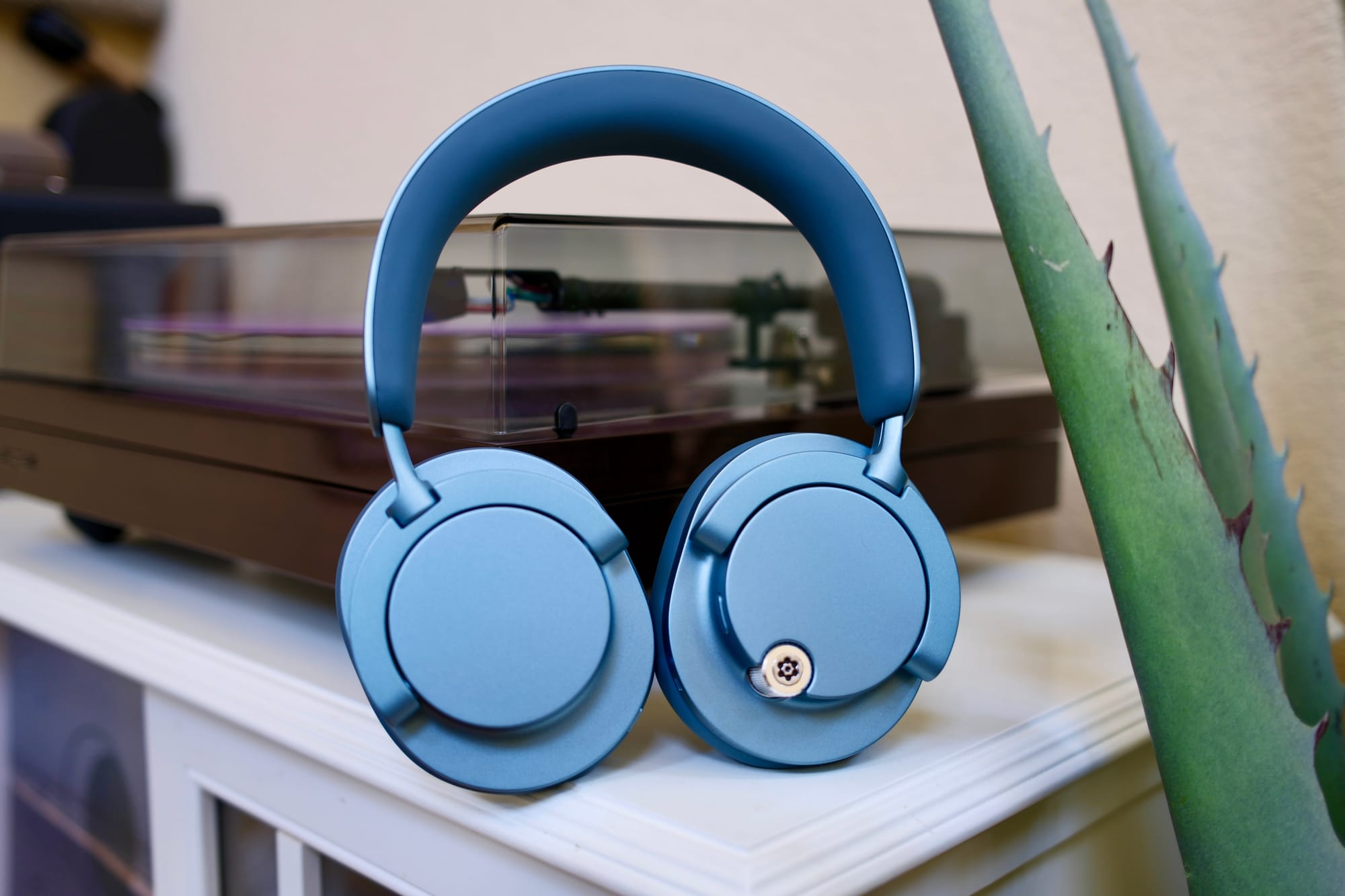
Blindly buying headphones based on Instagram ads might not be the best strategy, but in this case, the Daisy One headphones are probably a winner. They’re comfortable, they block plenty of noise, and they have a big, encompassing sound. From top to bottom, they’re just really good wireless headphones.
Of course, for the $400 retail price, there are plenty of other considerations out there. I like the uniquely styled Nothing Heaphone (1). The Sonos Ace and Sony’s WH-1000XM6 are usually on sale under $400 and also have a lot to offer.
If you’re set on the Daisy One for their color, volume knob, or built-in nature sounds, and are comfortable paying a premium, then there’s nothing that should stop you from pressing the buy button.