
How to pick a good iPhone Duo case, from a longtime tech writer
If you're looking for a case for the iPhone Duo, there are a few things to consider. From someone who covers mobile devices, here's a guide to buying a Duo case.

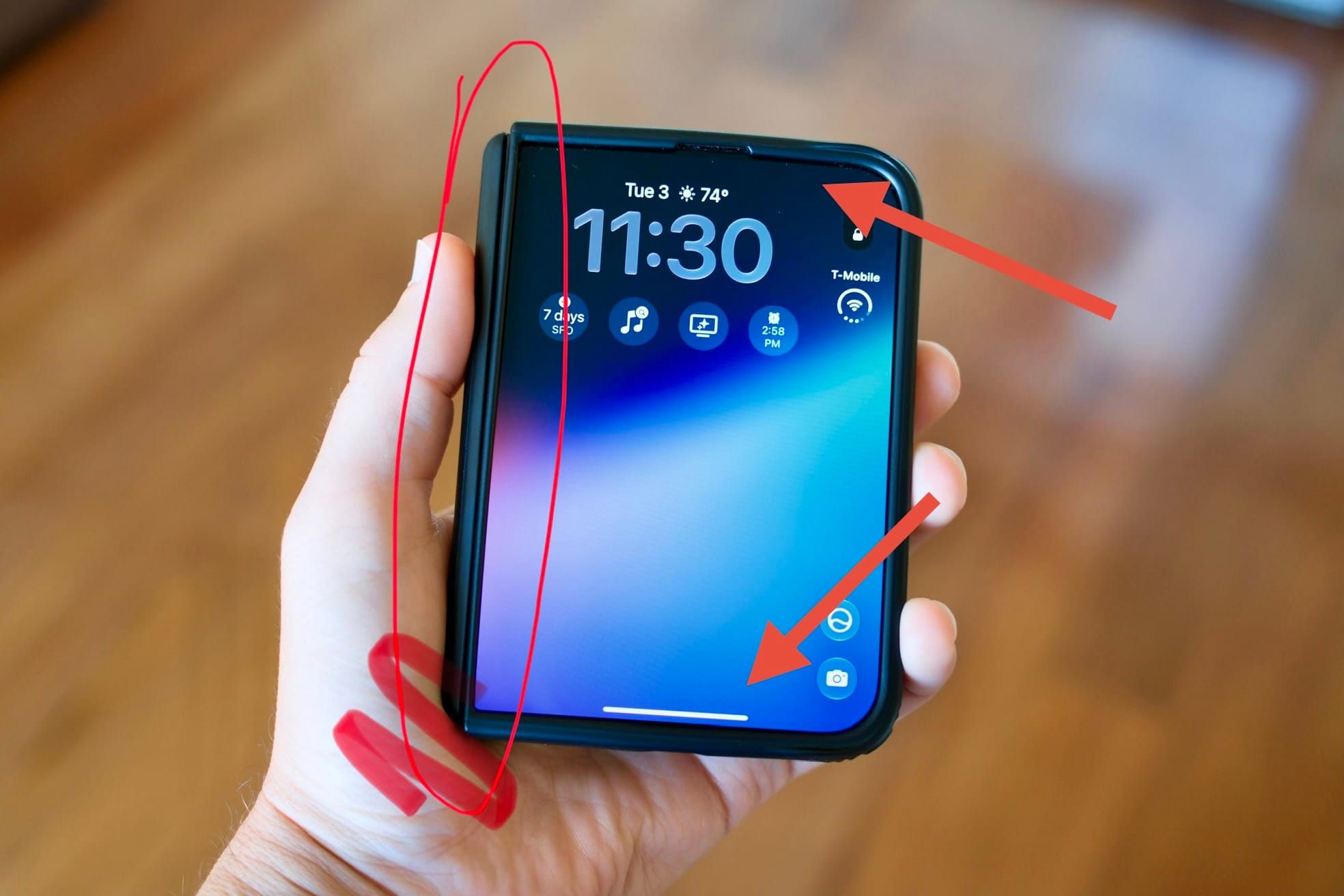
Despite the iPhone Duo being announced on September 9 and not shipping until October 23, finding a good case for the phone is still a problem. I've seen all kinds of different issues with the ones I've tried. From cases that don't fit quite right to ones that are just poorly designed—not fully thought out.
Each year, as a tech creator, I go hands-on with dozens of new iPhone cases. For the last few years, manufacturers have nailed the precision and usefulness of traditional iPhone cases from day one. That means they were making them even before the phone was announced and still managed to get all the details right.
This year, however, the iPhone Duo seems to be presenting some hurdles for early case makers. That's probably why you're seeing delays and pre-orders for November and December case releases.
At IFA, in Berlin in early September, days before the iPhone Duo was shown off, case manufacturers were touting protective accessories for an "iPhone Ultra." Clearly, there was at least some disconnect between the dimensions they had and how the phone actually works in hand.
There have been cases for folding phones long before the Duo. It's not unique in that regard. In late September, I popped into a Google Store and noticed a wall of cases for Pixel phones, including the Pixel Fold. They have the same hinge cover dilemma. To cover or not to cover. If so, how should it be done?
There were even cases that had the clever stretchy hinge cover that pulls out when closed and retracts when open—like Apple's Folio case. So why the trouble with the iPhone Duo?
Well, probably the biggest reason cases are a problem for this phone is the software. There are a lot of gestures and side swipes that need access to the phone's edges in specific ways. There are more ways to use the Duo than the 18 Pro. The Duo is a phone you need to hold and use to really understand how it works.
How to pick an iPhone Duo case
After trying several different iPhone Duo cases, I have some thoughts about what makes a good one. Of course, it's not an easy problem to solve. For one thing, there's very little sidewall to work with.
Still, a case will serve most people well on this phone. So, here are some things to look for and consider when picking one out. This story will be updated with specific buying recommendations for cases at the bottom.
The front protection can't be too thick
A lot of cases have a protective bezel around the front edge. This is a good feature because in some Duo positions, you need to set the phone upside down on its front screen—"laptop" mode, for example.
If the front edges of the case are too thick, however, they make it hard to swipe up, down, or left or right from the edges. I've found the outer left side particularly difficult to swipe to go back in apps.
A hinge cover can be creaky
Some plastic cases that cover the hinge sound like a creaky cabinet door opening every time you fold or unfold the Duo. This happens from the plastic hinge cover rubbing on the front cover piece. It might not be noticeable at first, but I guarantee it will be after a while. Or maybe it will just be annoying if you work in a quiet place.
It's hard to tell if this will be an issue until you actually try it. Certain materials and designs might cause it to happen more than others. My best guess is that this will be more of an issue with the really cheap cases.
A kickstand is good, but not worth the extra bulk
The ESR Classic Hybrid Magnetic Case with Flex Stand hides its stand around the camera protective area. I've come to really appreciate this design aspect. Often, when the Duo is unfolded, I'll want to prop it up like an iPad and watch a show or keep an eye on the screen without constantly holding it.
With a built-in stand, I don't have to carry something extra or try to find a random object to use.
The Zagg Sedona Case with Kickstand has an even bigger, sturdier stand built into the back. I'm not sure that one is worth the extra bulk it adds to the entire case. The Duo is already a heavy phone. Adding a thick case can make the phone a pain to carry around.
Soft case edges help the phone's sharp corners
Despite a lot of the poor initial case designs, I've continued to keep one on my phone. The main reason is that they soften the sharp corners of the Duo. The phone isn't a problem to use left-handed, but its bottom left corner can be a little pokey. Having a case on the phone alleviates that sharpness.
This would be my primary reason for considering a case with a hinge cover. It wouldn't be for protection. It would be for feel.
iPhone Duo case buying recommendations
There are no iPhone Duo cases that I think nail everything. This section will continue to be updated over time as I try new models. But if you need a case now and don't want to wait, these are some that I think are interesting and worth considering.
Pitaka for iPhone Duo Case
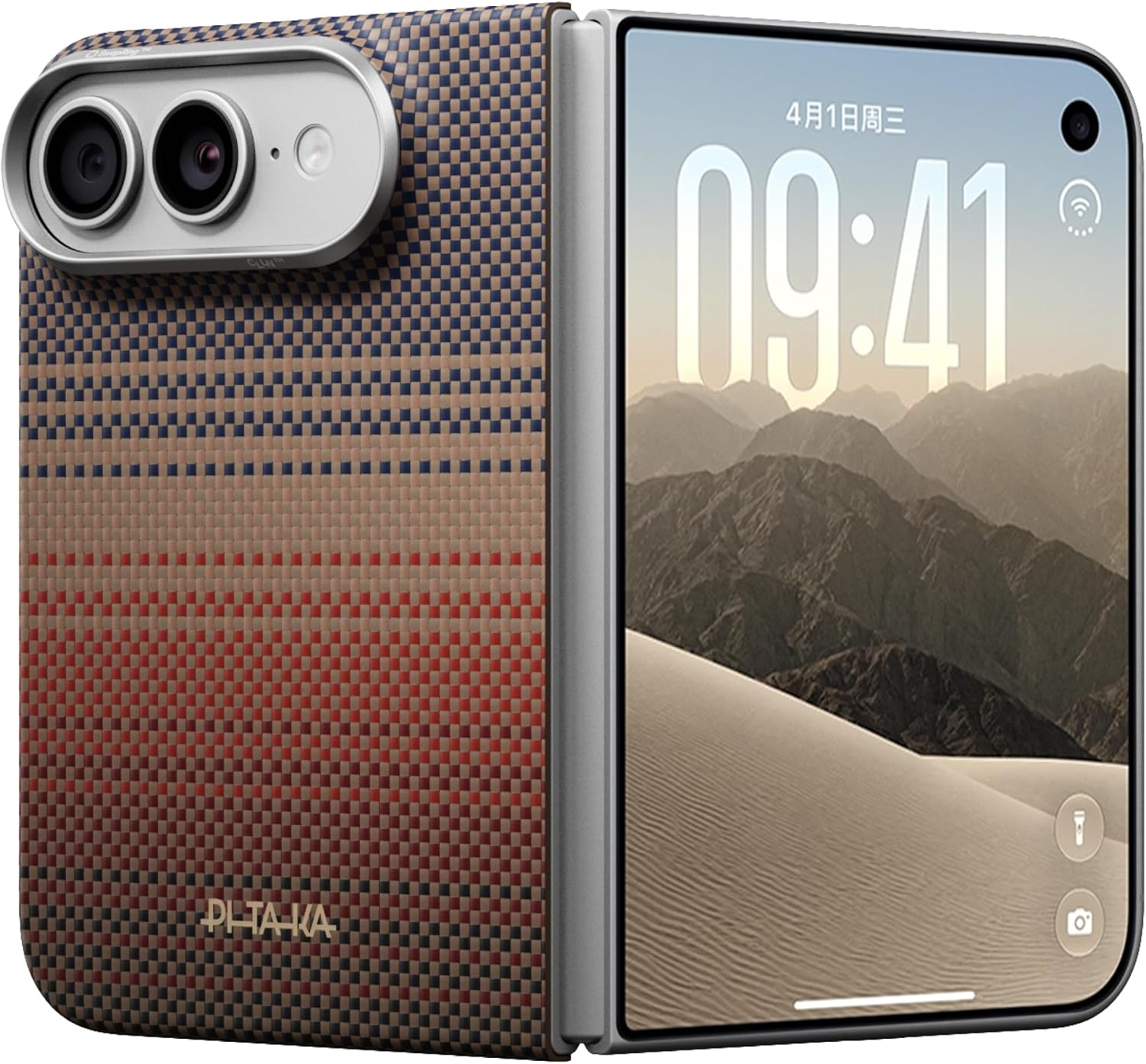
This is only a case back, but as Pitaka advertises, it offers a case-free feel. I've used several Pitaka cases over the years, and they've all been really well built. They feel nice to hold. There's no front piece, so swiping isn't a problem. For all the minimalists out there, this is probably the one I would start with.
ESR Classic Hybrid Case with Flex Stand
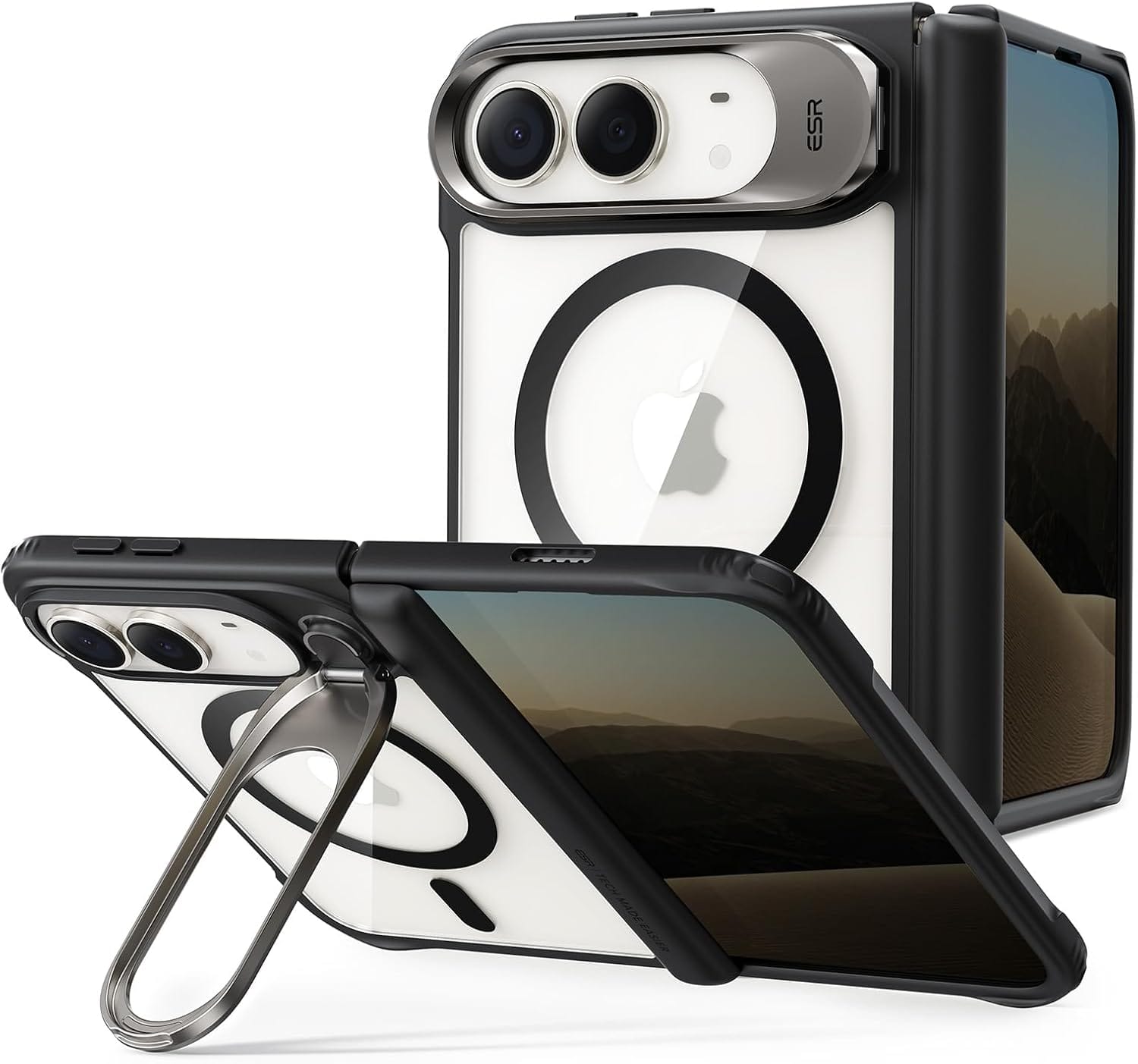
This case has a hidden stand which is quite handy. The stand also rotates, which makes it versatile for multiple positions. Overall, it isn't too thick or heavy. It does have a creaky hinge cover, and the front bezels do make swiping tricky in some instances.
FireNova Magnetic for iPhone Duo Case
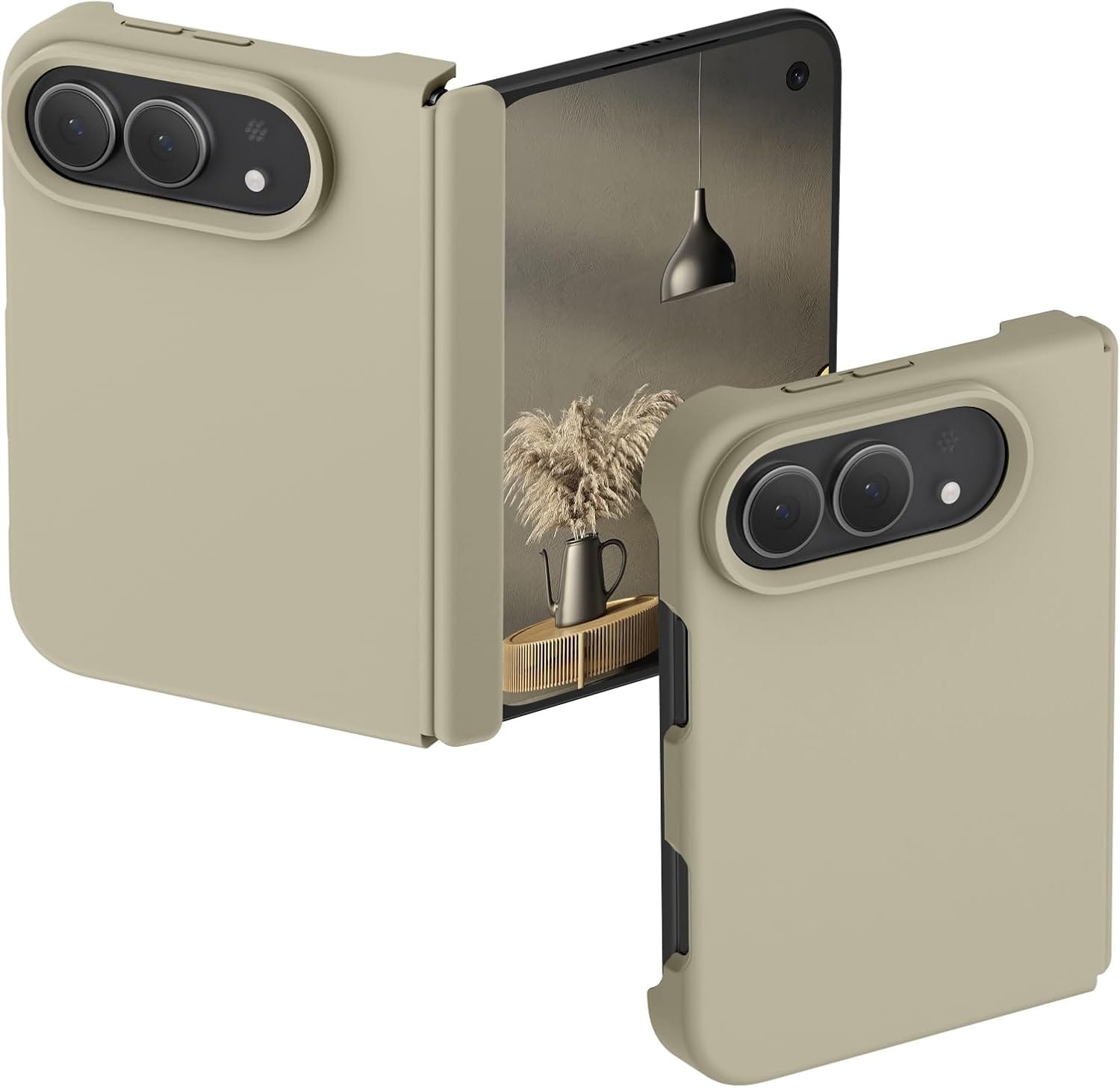
This case covers the hinge, but doesn't introduce any little pieces on the front to mess up swipability. Swiping from left ot right shouldn't be a problem. The thing I like most about this style of case is that the sharp side gets covered, so it should feel nicer to hold in one hand.