
Here’s what surprised me about mechanical watches after 10 years with an Apple Watch
The unexpected benefits of using mechanical watches along side the Apple Watch.

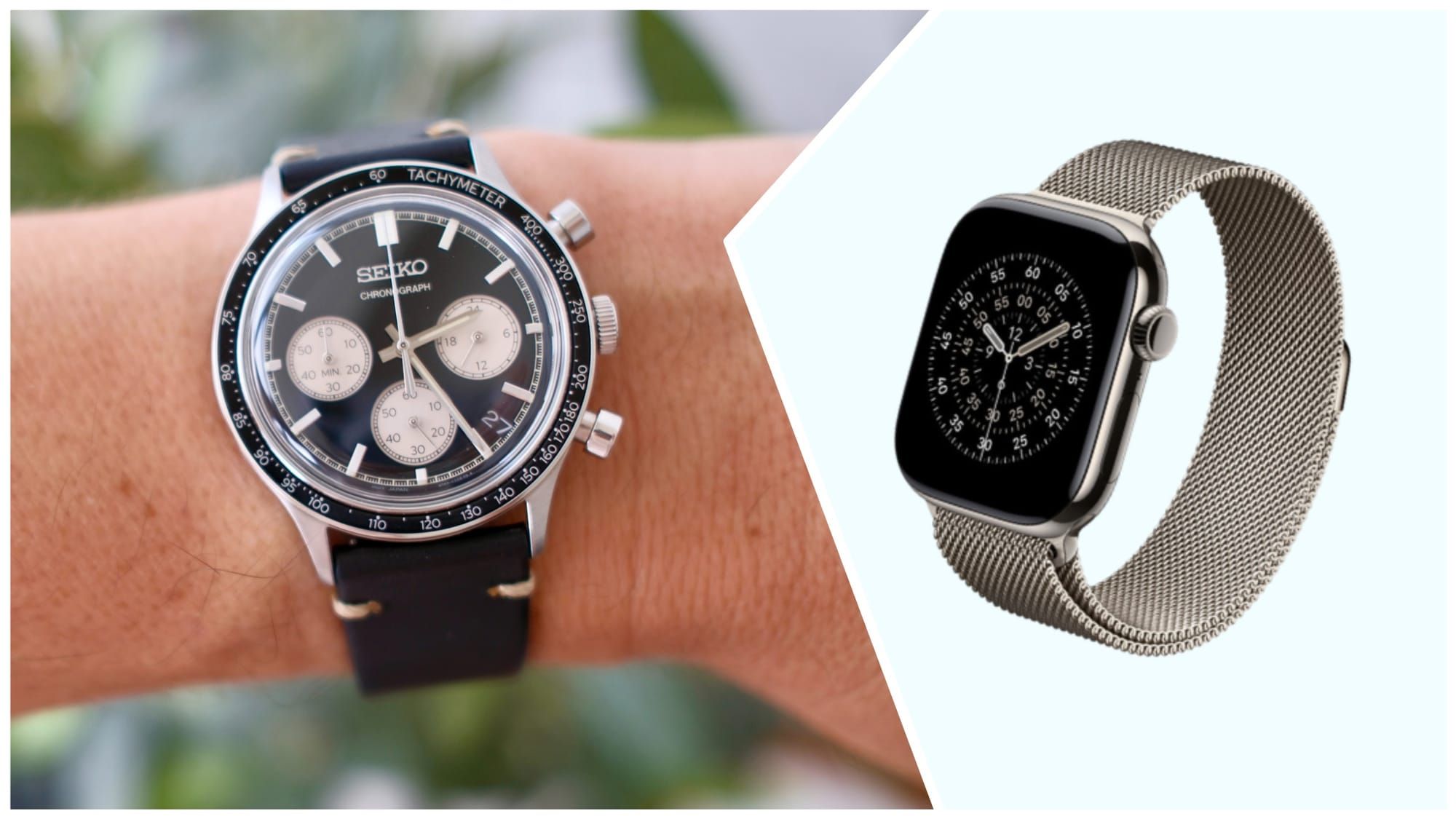
As a technology reviewer and analyst for the last 13 years, the general rule of thumb is function over form. Devices should look appealing, of course, but their power and versatility are ultimately what matters through the lens of tech. That’s what first drew me to smartwatches, and ultimately to the Apple Watch. They’re just tiny computers with health sensors, weather info, communication, music streaming.
That’s the land I’ve been living in since the Apple Watch launched in the spring of 2015. But after a confluence of factors, I recently found my eyes open to the world of mechanical wristwatches.
The transition from only using a smartwatch to mechanical (or basic digital) watches led to some interesting realizations. They're not all fashion, and it’s not all horology. I discovered there’s much more to this space than those extremes. Here's what surprised me and what I've found interesting.
I knew more about mechanical watches than I realized
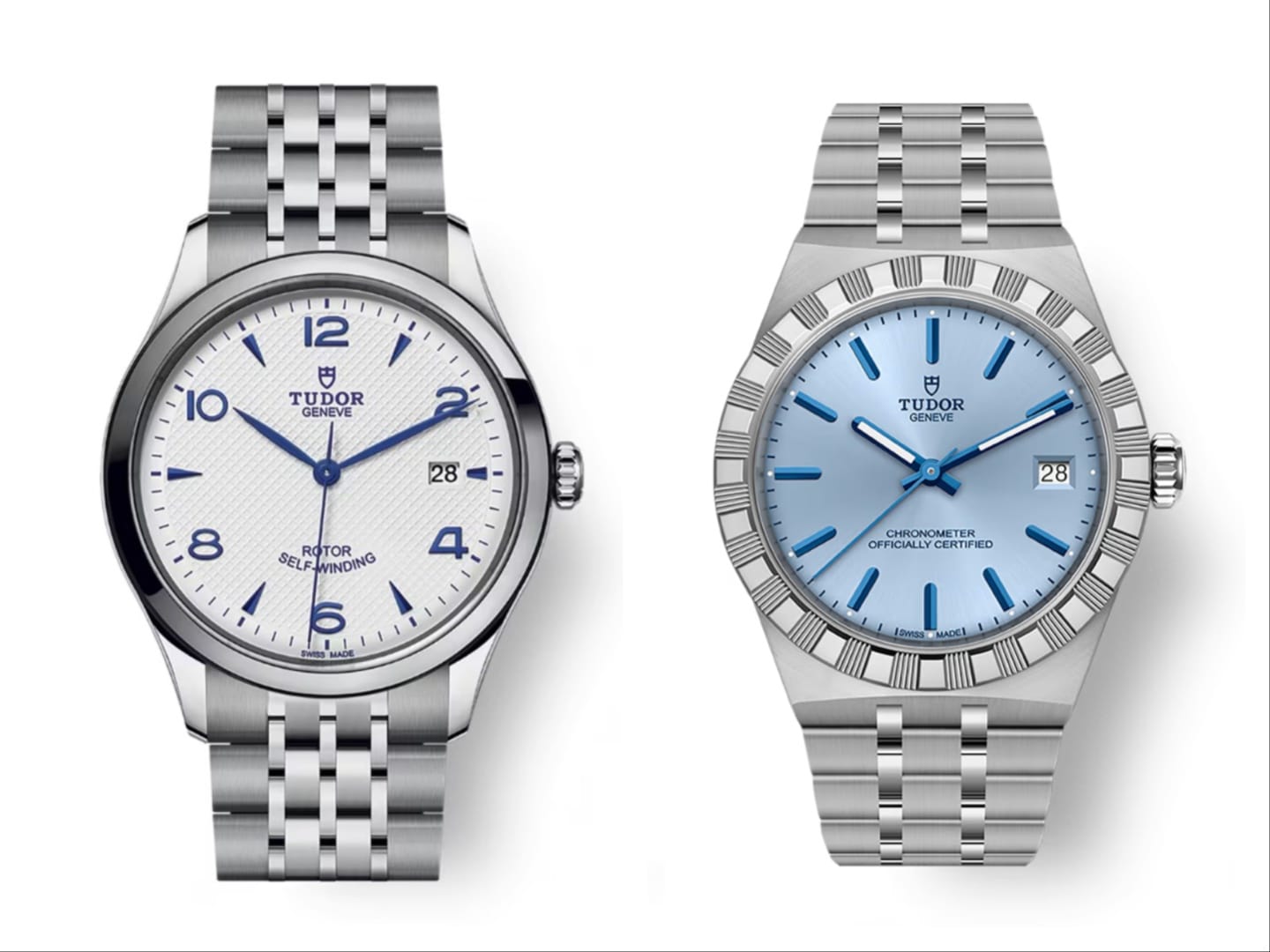
Finding a new hobby often includes getting acquainted with new terminology. To my surprise, I already knew a lot of the basics of mechanical watches, thanks to the Apple Watch. Dials, complications, bracelets, bands, and sizing were mostly second nature because Apple uses industry-standard terms. Apple even uses the familiar 10:10 time in marketing images because it allows for most elements on the dial to be seen.
Even though there’s a computer chip powering the Apple Watch, everything else about it is mostly authentic to the world of mechanical watches. The most significant one, I think, is the complications, or those little widgets, on the watch face.
The weather, music player, or timer that you can add to the face of your Apple Watch might be closer to mini apps from a technical standpoint, but in hindsight it's nice that they're officially referred to as complications.
Wearing a mechanical watch doesn’t mean giving up all extra info
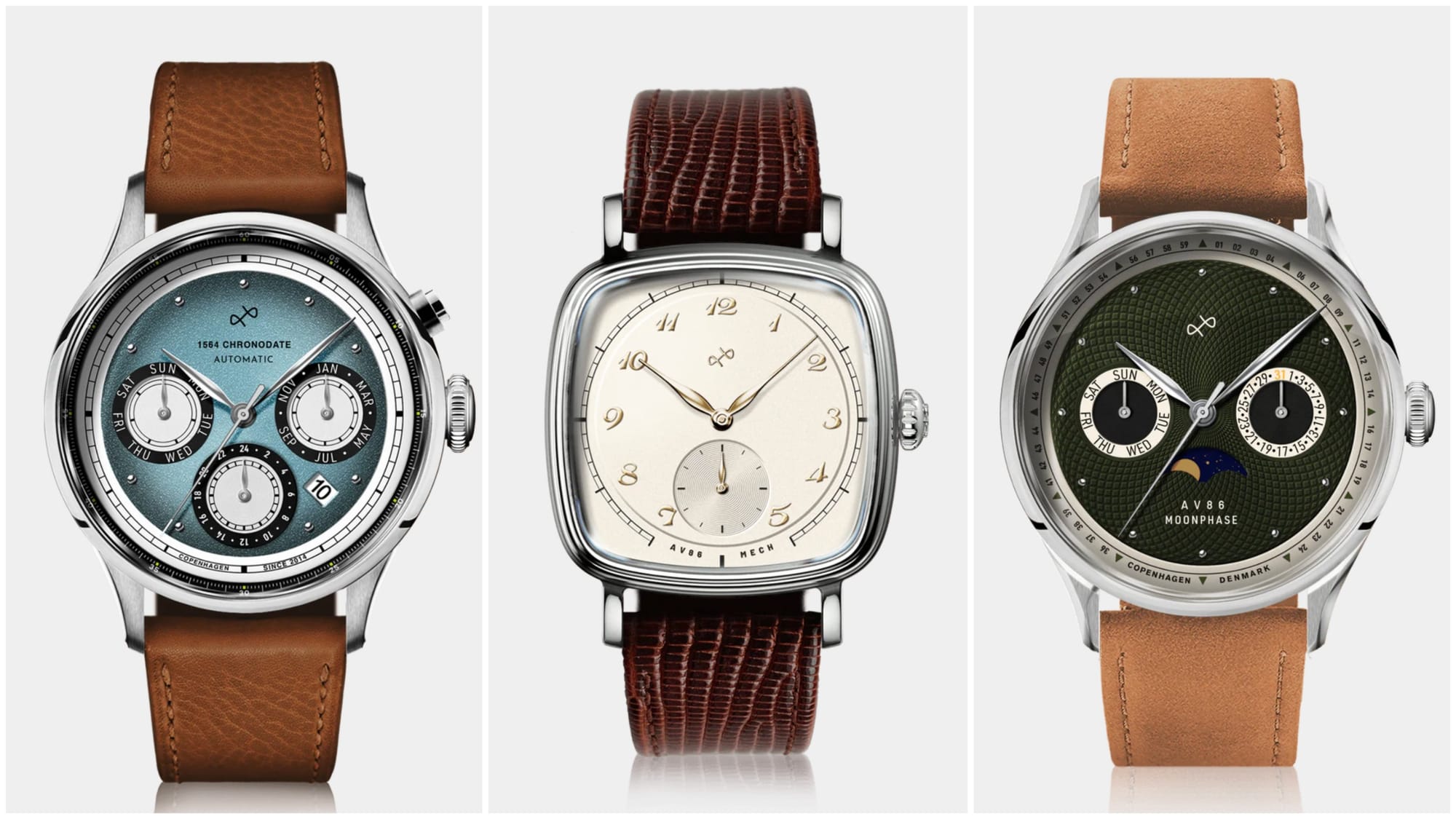
Speaking of complications, wearing a non-smartwatch doesn’t mean giving up all those little pieces of information beyond the time. There are day and date complications. Chronograph watches have timers. There are complications for tracking the moon phase. Dive watches can track time underwater. A power reserve indicator shows whether an automatic watch needs more movement.
Though less common, there are even annual and perpetual calendars, all of which are done mechanically. And depending on how much you’re willing to spend, you can get several complications on one face.
Time is (sort of) relative
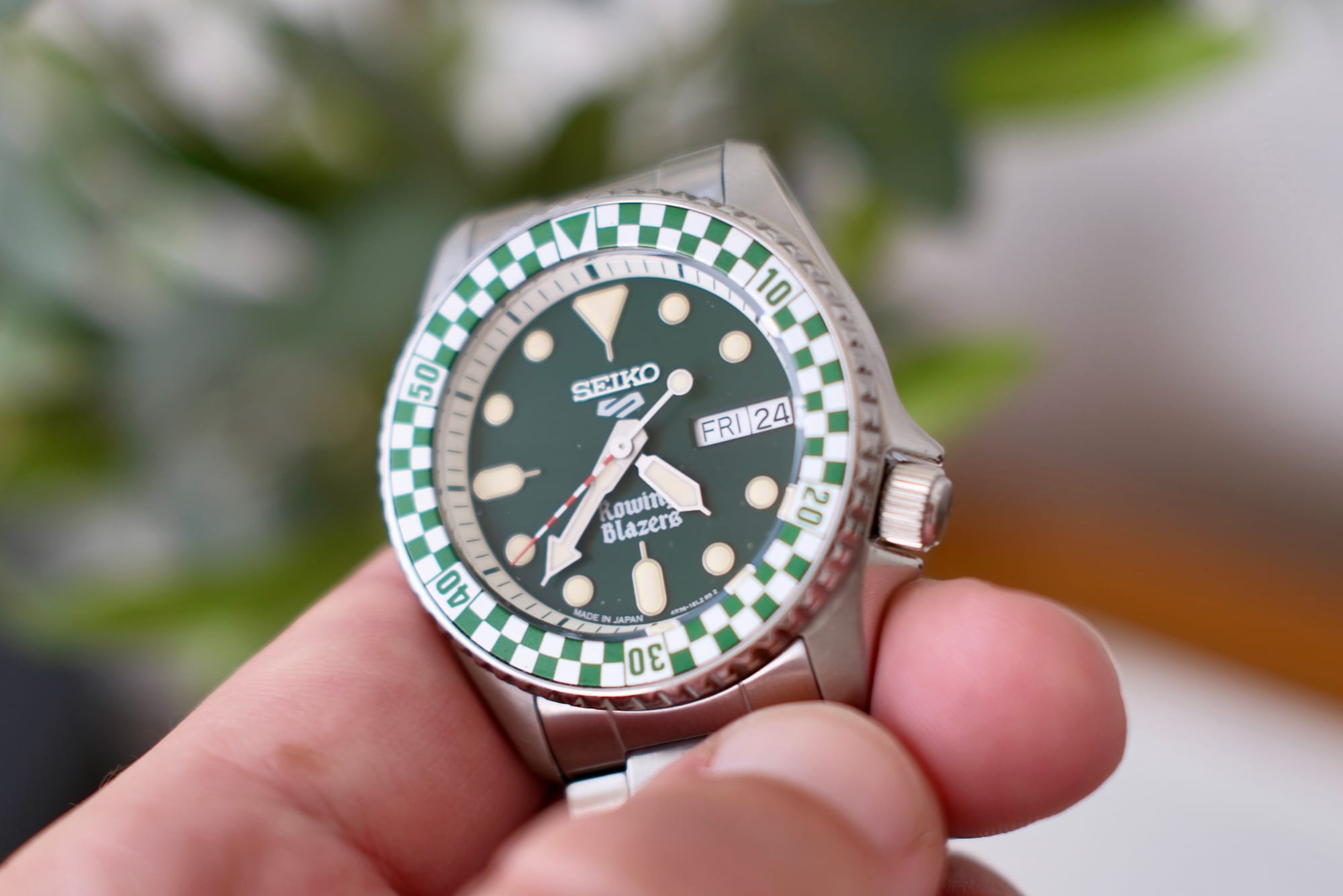
If you don’t maintain a manual or automatic watch, then it can stop and show the wrong time. So, if you’re not careful, then time is a lot fuzzier and more vague with a mechanical watch than it is with a smartwatch. Even for well-maintained watches, there’s a plus-or-minus time swing per day that non-digital watches need to deal with.
The most rigorously tested watches get independently Swiss COSC certified to only have -4 to +6 daily second tolerances.
Different movement types change the experience
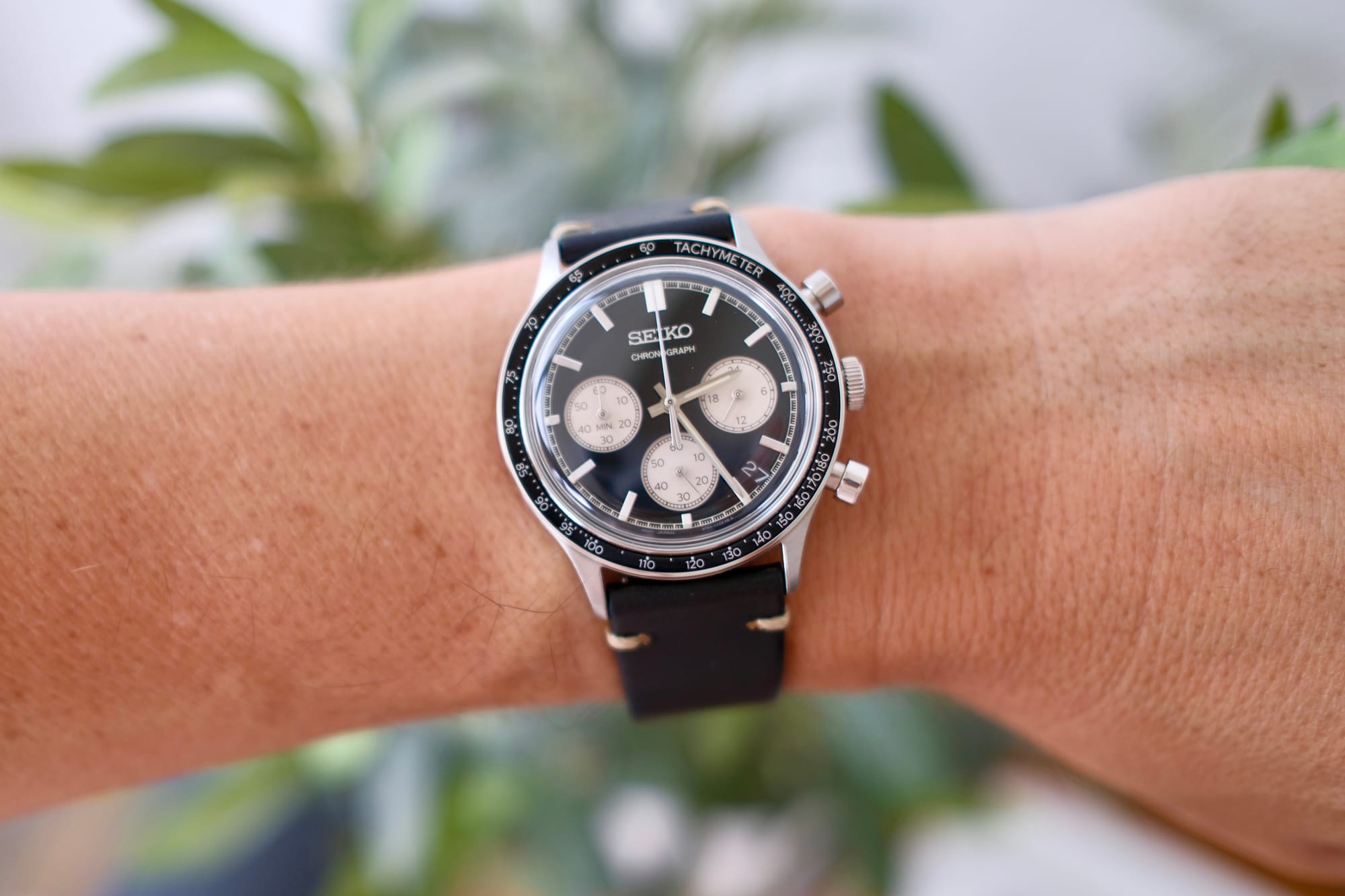
Quartz tends to be used in less expensive watches, but if you care about accuracy, then this movement provides the most accurate time with the least amount of work. Even if you prefer the pricier, fancier watches, it might be worth diversifying your watch collection to include different types of movements for less maintenance.
The horological side of watches can scratch an itch for the tech-minded
From the perspective of a computer nerd, the Apple Watch is a marvel. It uses a complete packaged chip for processing and connectivity that uses only a tiny amount of power. The cellular models can be used independently of a phone, but still make calls and stream music over LTE and 5G.
So, even though you aren’t getting any computing power in a mechanical watch like you are from Apple, the technical capabilities of these analog watches that have been around for centuries are equallly marvels.
I've actually found the lack of batteries in these fancy watches to be so wild and captivating. The level of precision and detail is remarkable.
Watches aren’t inherently expensive, but spending money on them is easy
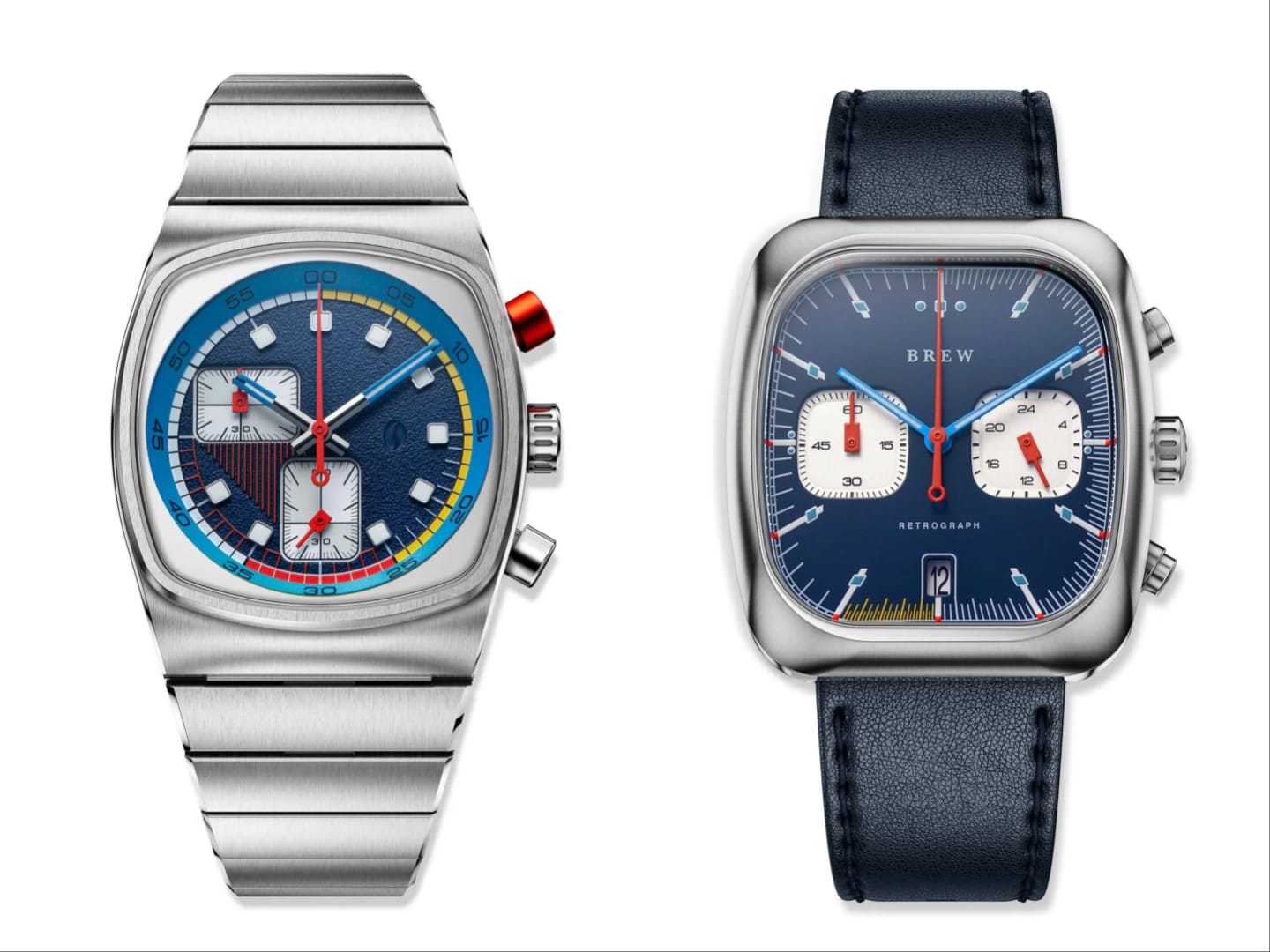
In the technology space, new companies are called startups. In the watch world, small upstarts are called micro brands.
Some of the most interesting micro brands to me include Kuoe, Farer, AV86, Brew, and Vaer, among others. These companies use readily available mechanical or quartz movements from other companies and implement their own design homages or take bolder aesthetic risks.
While these names might not be as well known as Tudor, Longines, Seiko, or Cartier, they’re also much less expensive. The prices tend to range from $200 to $1,000, although they can go higher than that.
If you’re building a collection, it might be beneficial to start with a couple niche brands that have become staples in the watch community. They tend to have a close attention to detail and offer relatively good value for the parts inside.
Trying micro brands can be a way to dial in the types of watches you like without overspending on brand names. Dive watches, chronographs, and dress watches all wear differently. It’s also a good way to try different movement types before sinking too much money into the hobby.